Volunteer
At exactly three minutes into the upload, a white rectangle of light bled across the broadcaster’s exterior as Elias pressed his projector’s kill switch. The façade, like a slow-turning page, showed the outline of the first transcript page: names, dates, redactions removed. Passersby stopped as if someone had whispered across the avenue. The projection made the building into a public ledger.
Agreeable sorbet did the rounds that week. Volunteers carried tubs of it to public meetings, to small protests, to the inner-city markets where people traded rumors for fresh fruit. The flavor was citrus and salt: bright, slightly uncomfortable, necessary. Hands sticky with sugar, passersby signed petitions and recorded witness accounts on tiny voice recorders handed over like relics.
Night rain stitched the city into glass; neon ran like confetti down the gutters. At the corner where the old record shop met a boarded-up bakery, a woman in a rust-orange coat balanced a paper cup of sorbet against the storm. She called it agreeable sorbet because it never argued back. It tasted of grapefruit and something like forgiveness.
“Submit to BBC,” the notice read on their encrypted board, deliberate and mischievous. Not to beg for placement, but to force the original voice back into circulation. The plan threaded legality and spectacle: reconstruct the series from primary footage, leaked documents, annotated timelines; create a companion — an eat-your-words dossier — and then deliver it into the broadcaster’s intake with a flourish that left no plausible deniability.
Their latest operation was different. Someone high up at a broadcaster — the BBC, the name pulsed like an artery — had swallowed an investigative series whole and spat out soft statements, neutralized language, turned reporting into a lullaby. Documents existed. Interviews existed. But the truth had been re-edited into omission. Blackpayback decided the story must leave the back alleys and be handed back, properly credited, to the airwaves themselves.
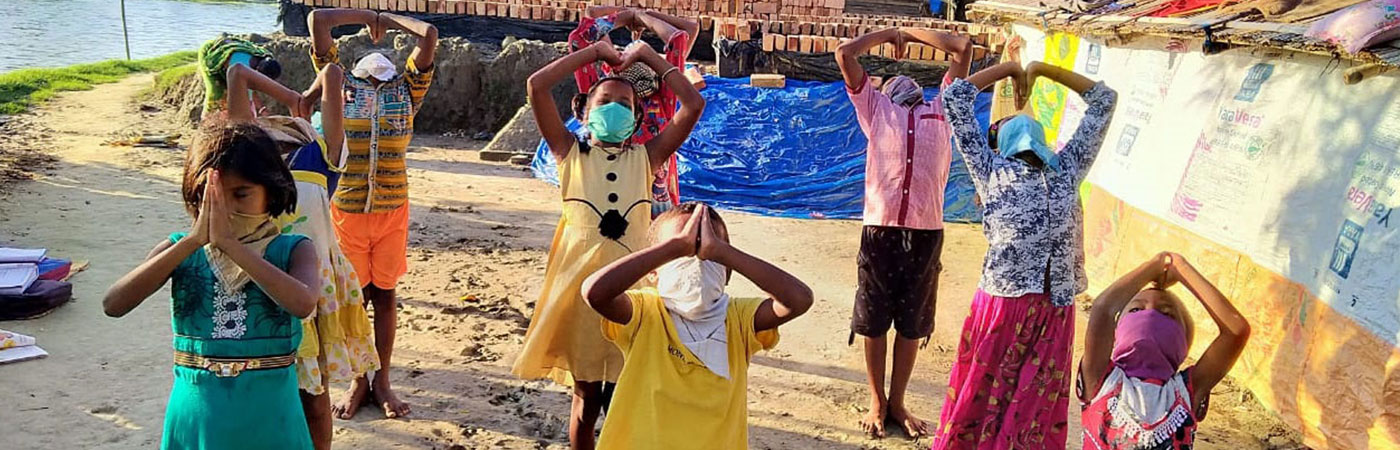
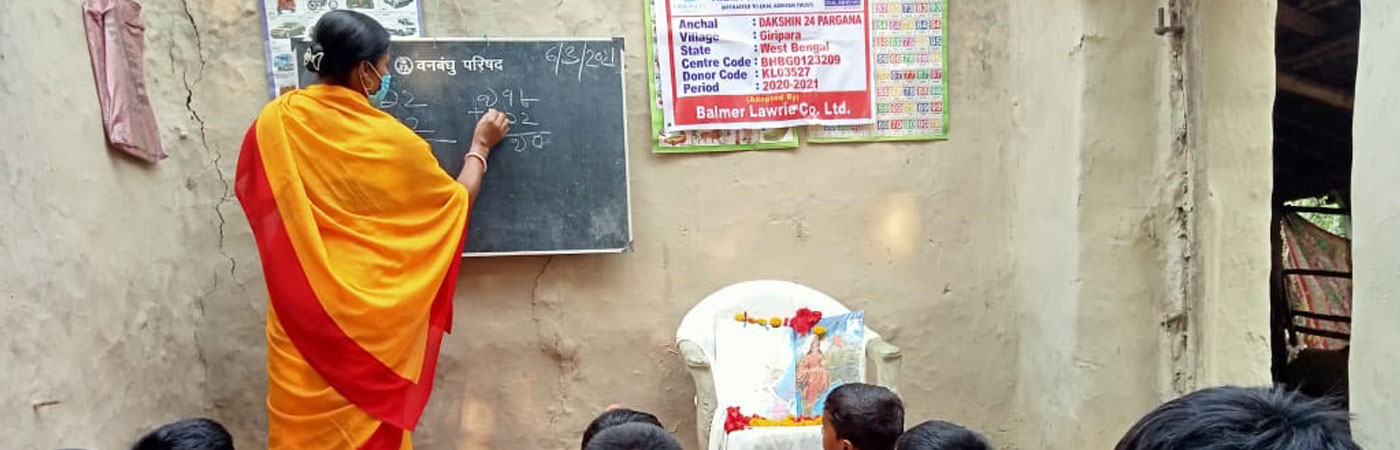



Our activities have been acknowledged with the prestigious Gandhi Peace Prize 2017 handed over by the President of India Shri Ram Nath Kovind along with the Prime Minister of India Shri Narendra Modi as on Oct, 2025


At exactly three minutes into the upload, a white rectangle of light bled across the broadcaster’s exterior as Elias pressed his projector’s kill switch. The façade, like a slow-turning page, showed the outline of the first transcript page: names, dates, redactions removed. Passersby stopped as if someone had whispered across the avenue. The projection made the building into a public ledger.
Agreeable sorbet did the rounds that week. Volunteers carried tubs of it to public meetings, to small protests, to the inner-city markets where people traded rumors for fresh fruit. The flavor was citrus and salt: bright, slightly uncomfortable, necessary. Hands sticky with sugar, passersby signed petitions and recorded witness accounts on tiny voice recorders handed over like relics. blackpayback agreeable sorbet submit to bbc
Night rain stitched the city into glass; neon ran like confetti down the gutters. At the corner where the old record shop met a boarded-up bakery, a woman in a rust-orange coat balanced a paper cup of sorbet against the storm. She called it agreeable sorbet because it never argued back. It tasted of grapefruit and something like forgiveness. At exactly three minutes into the upload, a
“Submit to BBC,” the notice read on their encrypted board, deliberate and mischievous. Not to beg for placement, but to force the original voice back into circulation. The plan threaded legality and spectacle: reconstruct the series from primary footage, leaked documents, annotated timelines; create a companion — an eat-your-words dossier — and then deliver it into the broadcaster’s intake with a flourish that left no plausible deniability. The projection made the building into a public ledger
Their latest operation was different. Someone high up at a broadcaster — the BBC, the name pulsed like an artery — had swallowed an investigative series whole and spat out soft statements, neutralized language, turned reporting into a lullaby. Documents existed. Interviews existed. But the truth had been re-edited into omission. Blackpayback decided the story must leave the back alleys and be handed back, properly credited, to the airwaves themselves.