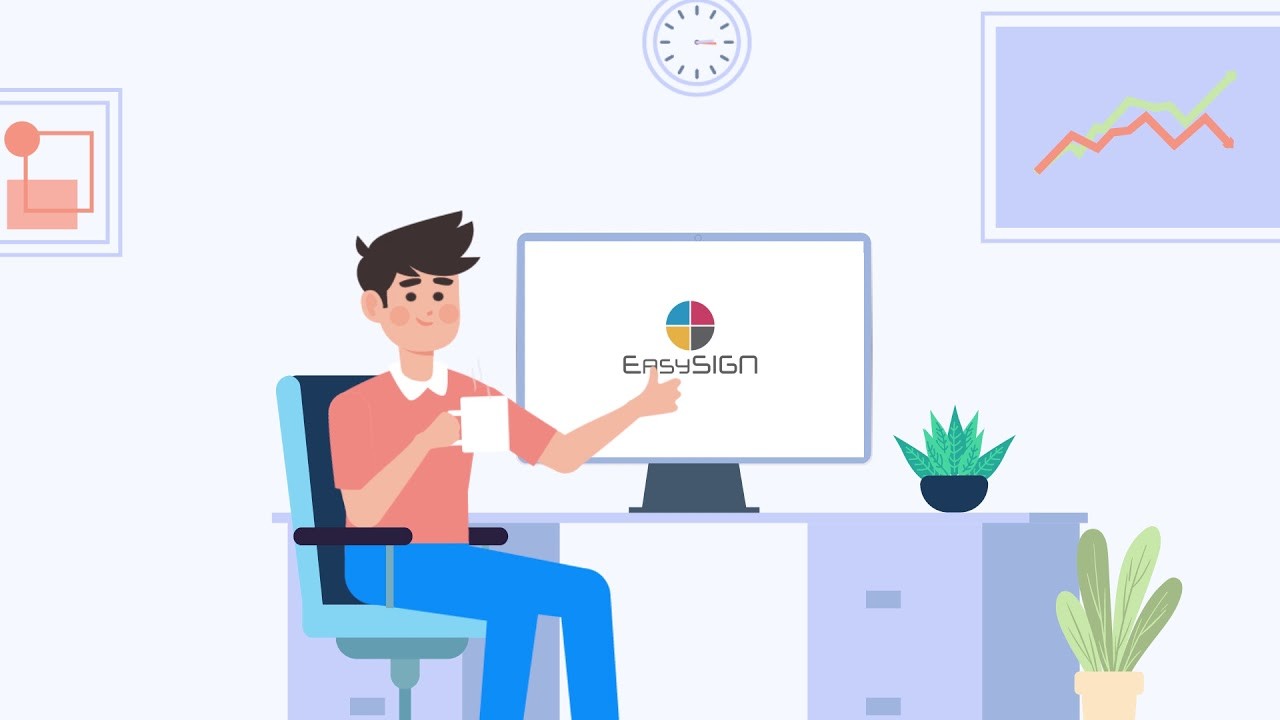
Produzieren Sie schnell, fehlerfrei und liefern Sie hochwertige Arbeit. Sie müssen kein Experte oder erfahrener Designer sein, um EasySIGN zu nutzen. Importieren Sie einfach das Design Ihres Kunden oder nutzen Sie eine der vielen Vorlagen, um mit nur wenigen Klicks ein perfektes Schilderdesign zu erstellen. Ein Knopfdruck genügt, und Sie erstellen beeindruckende Schilder aus Ihrem Schilderdesign.
Mit EasySIGN zu produzieren ist wirklich einfach! Erstellen Sie mit nur wenigen Klicks alles, was Ihnen gefällt














In the early 20th century, public buses were often ornate and decorative, reflecting the opulence of the time. Many buses featured intricate designs, curved lines, and luxurious materials, such as leather and wood paneling. The iconic London double-decker bus, introduced in 1923, epitomized this style, with its bright red paintwork and ornate metalwork. Similarly, in the United States, buses were often designed to resemble luxury coaches, with plush interiors and elaborate exterior designs.
In recent years, public bus design has continued to evolve, driven by concerns about sustainability, technology, and passenger experience. Modern buses often feature sleek, futuristic designs, with a focus on aerodynamics, energy efficiency, and environmental sustainability. The introduction of electric and hybrid buses, which offer reduced emissions and improved fuel economy, has become a key trend. Additionally, the integration of technology, such as Wi-Fi, USB charging points, and real-time passenger information, has enhanced the passenger experience. boobs press in public bus hidden vdo rar updated
The 1960s and 1970s saw a resurgence of creative expression in public bus design, as the counterculture movement influenced the transportation industry. Buses became a canvas for artistic expression, with vibrant colors, psychedelic patterns, and eclectic designs. The introduction of the Volkswagen Type 2 bus, popularized by hippies and travelers, reflected this trend, with its bright colors and funky designs. In the early 20th century, public buses were
In the early 20th century, public buses were often ornate and decorative, reflecting the opulence of the time. Many buses featured intricate designs, curved lines, and luxurious materials, such as leather and wood paneling. The iconic London double-decker bus, introduced in 1923, epitomized this style, with its bright red paintwork and ornate metalwork. Similarly, in the United States, buses were often designed to resemble luxury coaches, with plush interiors and elaborate exterior designs.
In recent years, public bus design has continued to evolve, driven by concerns about sustainability, technology, and passenger experience. Modern buses often feature sleek, futuristic designs, with a focus on aerodynamics, energy efficiency, and environmental sustainability. The introduction of electric and hybrid buses, which offer reduced emissions and improved fuel economy, has become a key trend. Additionally, the integration of technology, such as Wi-Fi, USB charging points, and real-time passenger information, has enhanced the passenger experience.
The 1960s and 1970s saw a resurgence of creative expression in public bus design, as the counterculture movement influenced the transportation industry. Buses became a canvas for artistic expression, with vibrant colors, psychedelic patterns, and eclectic designs. The introduction of the Volkswagen Type 2 bus, popularized by hippies and travelers, reflected this trend, with its bright colors and funky designs.