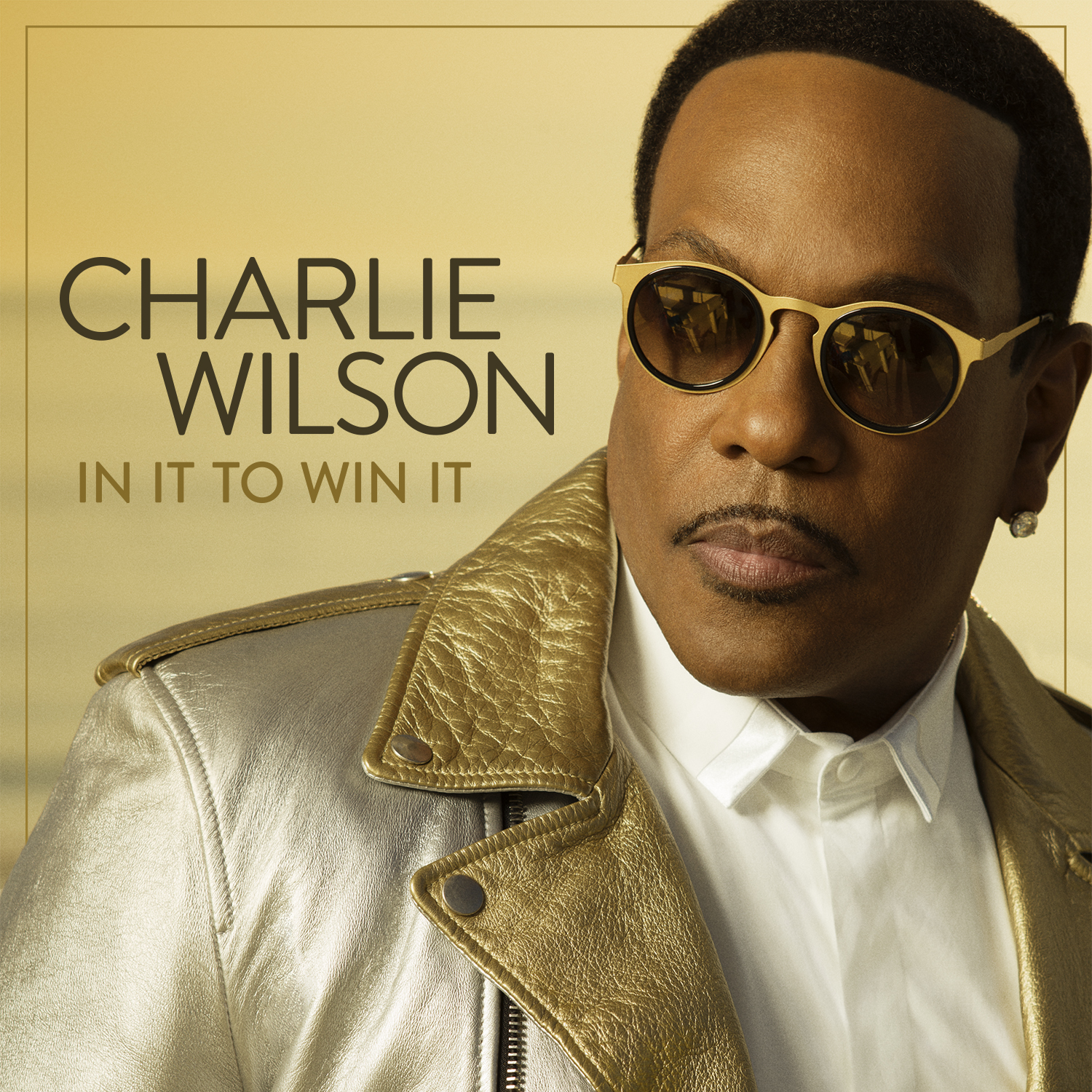
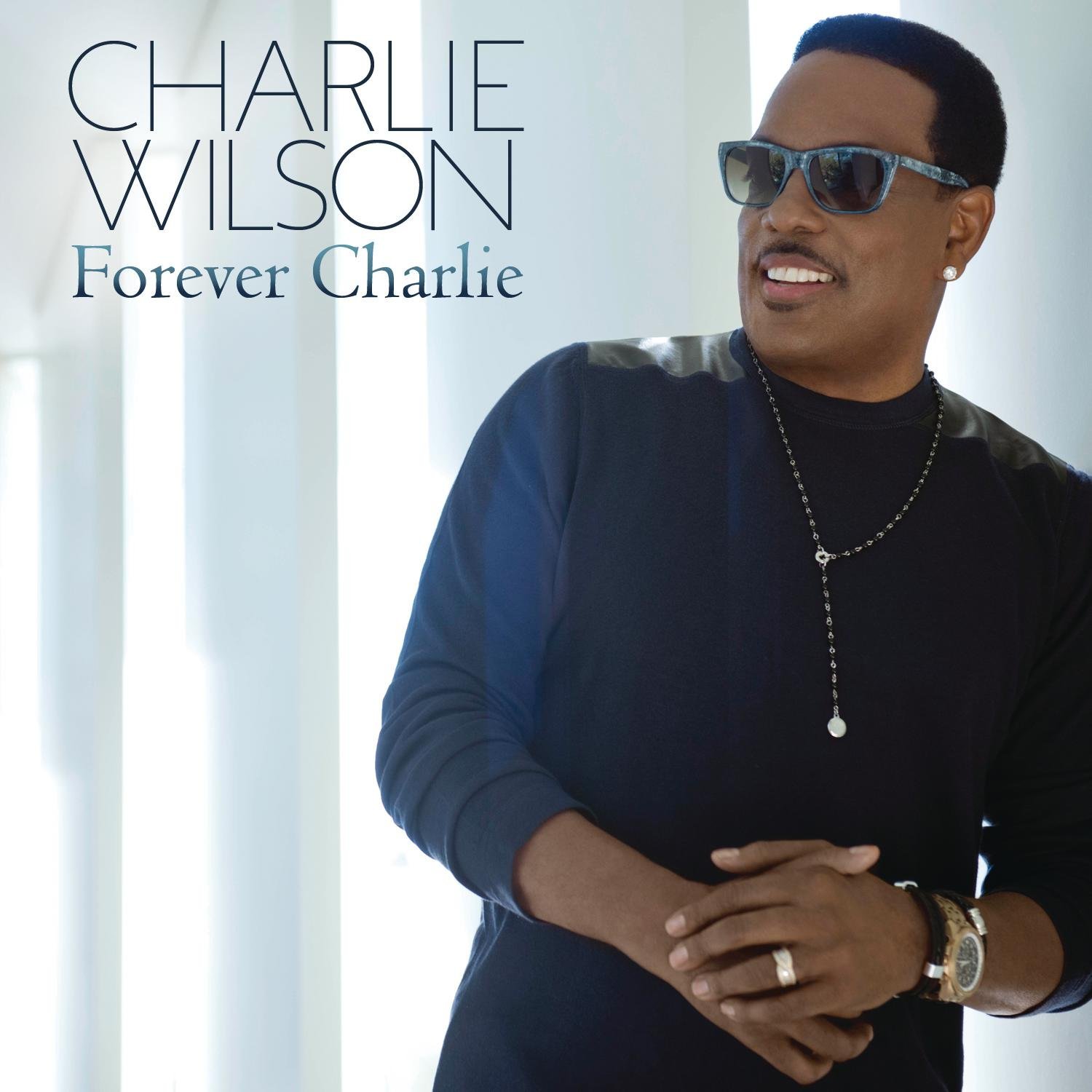
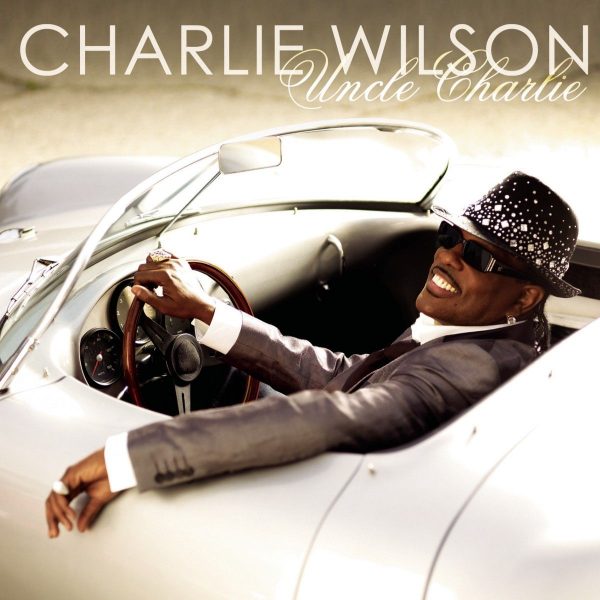
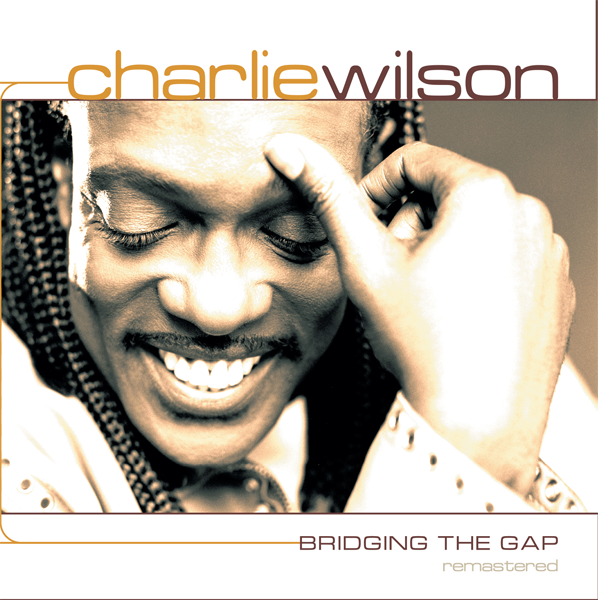
Charlie Wilson Joins ‘We Playin’ Spades’ to Talk Music, Classic Hits, and His Upcoming R&B Cookout Tour
Charlie Wilson joined Nick Cannon and Courtney Bee on the popular “We Playin’ Spades” podcast, where he shared stories from […]
Read More »Relationships and romantic storylines have been a staple of human experience and narrative for centuries. From ancient myths and fairy tales to modern-day television shows and movies, romantic relationships have captivated audiences and inspired creators. This paper will explore the evolution of relationships and romantic storylines in media, examining the historical context, cultural influences, and societal impacts that have shaped the way we consume and interact with romantic narratives.
The evolution of relationships and romantic storylines in media reflects changing societal values, cultural norms, and technological advancements. As we move forward, it's essential to critically analyze the impact of these narratives on our understanding of love, relationships, and identity. http+www+tamil+sex+videos+com+hot
The early 20th century saw the rise of Hollywood and the development of the romantic comedy as a staple of American cinema. Movies like It Happened One Night (1934) and Casablanca (1942) solidified the template for on-screen romance, often featuring witty banter, comedic misunderstandings, and a sacrificial love that overcame adversity. Relationships and romantic storylines have been a staple
The 1950s and 1960s saw the emergence of iconic on-screen couples, such as Elizabeth Taylor and Richard Burton, and the cementing of the "meet-cute" trope, where protagonists meet in a charming or coincidental way. The romantic comedy genre continued to evolve with films like When Harry Met Sally (1989) and Sleepless in Seattle (1993), which redefined the genre with more nuanced portrayals of relationships. The evolution of relationships and romantic storylines in
In the Middle Ages, courtly love emerged as a literary and philosophical movement, emphasizing chivalry, honor, and adoration of a lady from afar. This idealized form of love was popularized through the works of authors such as Chrétien de Troyes and Sir Thomas Malory.
The past few decades have witnessed a significant shift in the representation of relationships and romantic storylines in media. The rise of independent cinema, streaming services, and social media has led to increased diversification and complexity in romantic narratives.
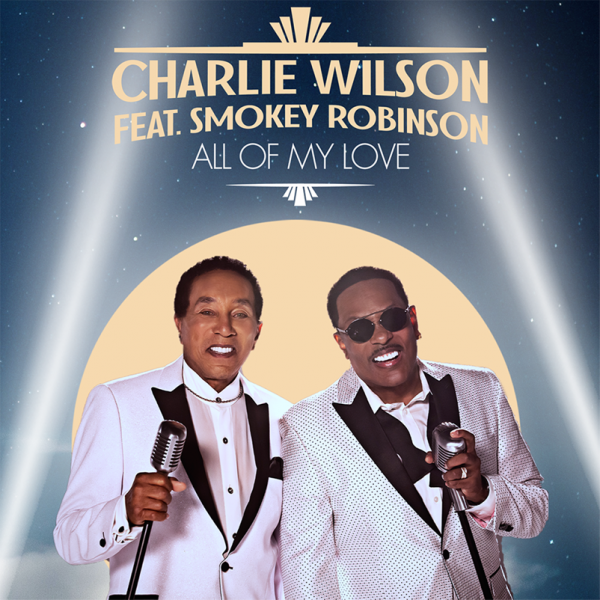
Charlie Wilson joined Nick Cannon and Courtney Bee on the popular “We Playin’ Spades” podcast, where he shared stories from […]
Read More »
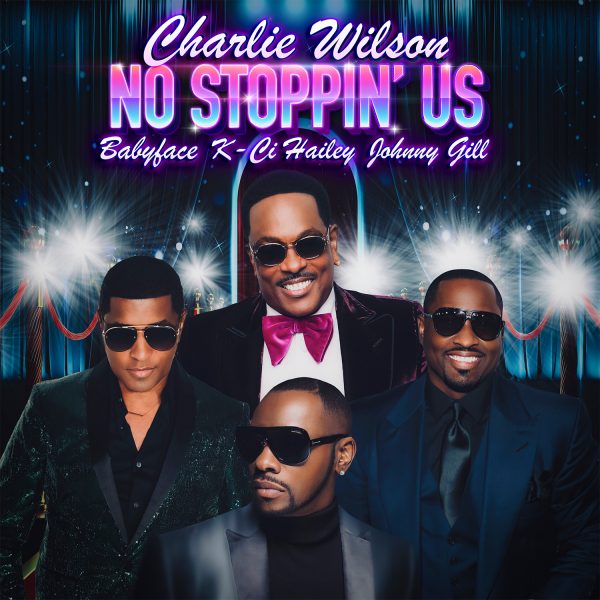
Charlie Wilson joins Amaarae on her highly anticipated new album Black Star, collaborating on the track “Dream Scenario.” The 13-song […]
Read More »
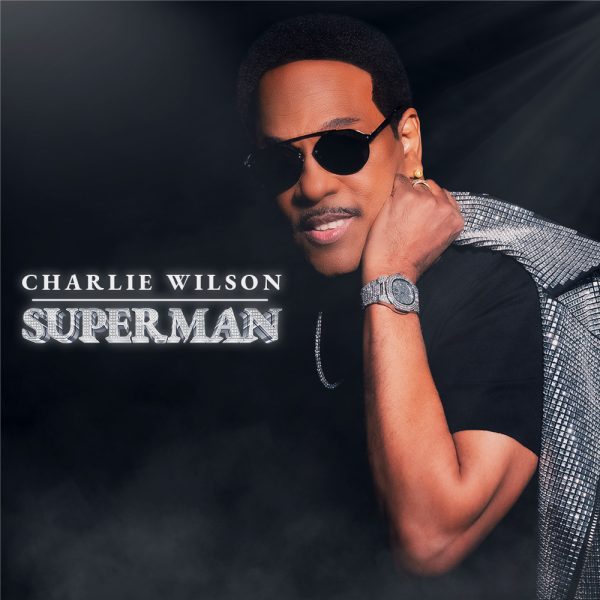
Charlie Wilson’s newest single taps back into his signature feel-good sound with a groove that is perfect for the summer. […]
Read More »
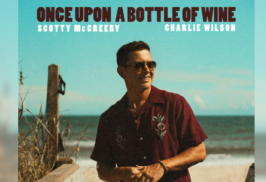
Charlie Wilson brings his signature smooth vocals to country star Scotty McCreery’s new single “Once Upon a Bottle of Wine” […]
Read More »
Charlie Wilson joins Gracie’s Corner, the popular children’s animated sing-along YouTube series for a new song, “Have a Good Time.” Watch […]
Read More »
Relationships and romantic storylines have been a staple of human experience and narrative for centuries. From ancient myths and fairy tales to modern-day television shows and movies, romantic relationships have captivated audiences and inspired creators. This paper will explore the evolution of relationships and romantic storylines in media, examining the historical context, cultural influences, and societal impacts that have shaped the way we consume and interact with romantic narratives.

The evolution of relationships and romantic storylines in media reflects changing societal values, cultural norms, and technological advancements. As we move forward, it's essential to critically analyze the impact of these narratives on our understanding of love, relationships, and identity.
The early 20th century saw the rise of Hollywood and the development of the romantic comedy as a staple of American cinema. Movies like It Happened One Night (1934) and Casablanca (1942) solidified the template for on-screen romance, often featuring witty banter, comedic misunderstandings, and a sacrificial love that overcame adversity.
The 1950s and 1960s saw the emergence of iconic on-screen couples, such as Elizabeth Taylor and Richard Burton, and the cementing of the "meet-cute" trope, where protagonists meet in a charming or coincidental way. The romantic comedy genre continued to evolve with films like When Harry Met Sally (1989) and Sleepless in Seattle (1993), which redefined the genre with more nuanced portrayals of relationships.
In the Middle Ages, courtly love emerged as a literary and philosophical movement, emphasizing chivalry, honor, and adoration of a lady from afar. This idealized form of love was popularized through the works of authors such as Chrétien de Troyes and Sir Thomas Malory.
The past few decades have witnessed a significant shift in the representation of relationships and romantic storylines in media. The rise of independent cinema, streaming services, and social media has led to increased diversification and complexity in romantic narratives.