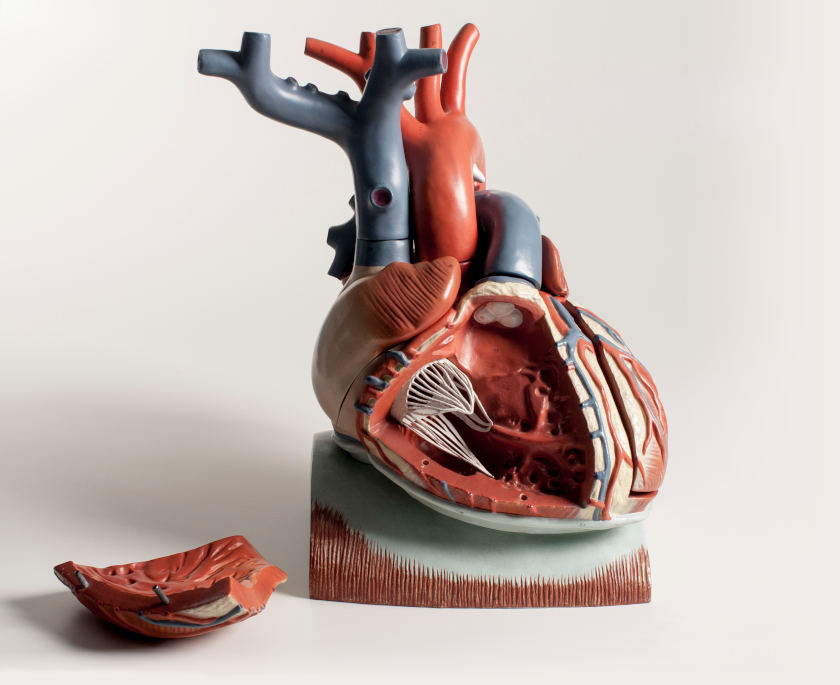
 Cardiovascular Physiology Concepts, 3rd edition textbook, Published by Wolters Kluwer (2021)
 Normal and Abnormal Blood Pressure, published by Richard E. Klabunde (2013)
The Indian family lifestyle is a rich and vibrant tapestry of tradition, culture, and values. Daily life in an Indian family is a story of love, respect, and togetherness. While challenges and changes are inevitable, the Indian family remains a strong and resilient institution. As India continues to evolve and grow, it is essential to preserve the core values and traditions that make Indian families so unique and special.
Changing lifestyles and dietary habits have also impacted Indian family life. The increasing popularity of Western cuisine and fast food has led to a shift away from traditional cooking methods and recipes. The Indian family lifestyle is a rich and
India, a land of diverse cultures, languages, and traditions, is home to a vibrant and dynamic family structure. The Indian family, a cornerstone of Indian society, is a unique blend of modernity and tradition. The daily life of an Indian family is a fascinating story of love, respect, and togetherness. This paper aims to provide a glimpse into the daily life stories of Indian families, exploring their lifestyle, values, and traditions. As India continues to evolve and grow, it
Like any other family structure, Indian families also face challenges. With urbanization and modernization, many families are now nuclear, and the joint family system is slowly eroding. Children often move away from their hometowns for education or work, leading to a sense of disconnection from their roots. India, a land of diverse cultures, languages, and
Indian families place great emphasis on values like respect, honesty, and compassion. Children are taught to respect their elders, tradition, and culture. Family members often gather together to celebrate festivals, like Diwali, Navratri, or Holi, which are an integral part of Indian culture.
The Indian family is typically a joint family, consisting of multiple generations living together under one roof. The family is often headed by the eldest male, known as the "patriarch," who makes important decisions and provides guidance. The family structure is built on the principles of respect, obedience, and loyalty. Children are taught from a young age to respect their elders and prioritize family harmony.
Be sure to visit our sister site, CVPharmacology.com.
Why the Ads? CVphysiology.com is very popular with medical school students, physicians, educators, and others. We use the revenue from advertisements to offset the cost of hosting and maintaining this website. Having ads allows us to keep this website free for everyone.
 Twitter
 Telegram
 LinkedIn
 WhatsApp
 Facebook
 Reddit