






On a Monday morning in a mid-sized office tower, a network engineer named Mara carried her freshly updated LinkRunner 2000 to the top floor after a call about intermittent VoIP dropouts. The old procedure—multitool, ping floods, packet captures—felt heavy. The 2000’s update had introduced a smarter baseline test that executed silently and returned a compact, actionable summary: link stability, negotiation anomalies, and a hint that PoE was dipping at certain switches. Mara traced the problem down to a marginal port on a stack that had been pushed to the edge by a recent firmware change on the switch itself. Without the updated heuristics, she might have been chasing congestion or codec issues; with it, she swapped a bad cable and moved on. The team’s VoIP calls stopped cutting out. In the breakroom, someone called it magic. The 2000 would have shrugged.
What made the LinkRunner 2000 update intriguing wasn’t merely the features themselves but the way they shifted the relationship between tool and user. Where previous iterations were blunt instruments—truthful but terse—the updated 2000 felt diagnostic and deliberate. It was as if the device, through a few lines of optimized code, learned to ask better questions and hand over answers that fit the tempo of modern operations: quick to act, clear to interpret, and mindful of context.
Of course, a firmware update is not a panacea. Some edge cases surfaced—rare vendor-specific TLVs that the new parser didn’t immediately understand, or older switch firmware exposing odd behavior under aggressive link negotiation. But those instances became feedback, the kind that made the next patch better. The cycle—update, observe, report, refine—kept the tool relevant and the networks humming.
The LinkRunner at 2000 firmware update arrived like a quiet pulse through the network closet—a small but deliberate change that made seasoned technicians look up from their cables and command lines. For years the LinkRunner family had been something of a backstage hero: compact, rugged handheld testers that could be relied on to answer the blunt questions networks ask—“Is there link? What speed? Is PoE present? Is the path alive?” Then came the 2000 series: sleeker, faster, designed for a world where single faults unraveled entire workflows and an afternoon’s downtime could cascade into missed deadlines.
In the end, firmware is a kind of quiet fiction: a narrative of improvement told in version numbers and release notes. But when that story translates into fewer late-night truck rolls, fewer escalation calls, and more predictable service, it becomes part of the lived history of a team. The LinkRunner 2000’s firmware update was one of those small chapters—unflashy, precise, and practical—that, stitched together with others, made the daily work of maintaining connectivity a little less fraught and a little more sure.
There were evenings when the update proved its worth in less glamorous ways. In cramped telecom rooms where heat and habit accumulate, the 2000’s refined cable diagnostics saved time by isolating pair faults that used to take hours of continuity testing to uncover. Field teams working in retail stores found the improved GFP/802.3 testing reduced callbacks. Newer recruits appreciated the clearer summaries and felt less like they were interpreting hieroglyphs and more like they were joining the conversation.
Firmware updates are rarely cinematic. They are careful procedures, changelogs, and incremental fixes. But the 2000’s update felt different. It read like a refinement of temperament rather than just function—an instrument learning to listen better. The release notes were practical, of course: improved Layer 2 discovery, more resilient LLDP parsing, tighter timing for cable diagnostic routines, and enhanced PoE negotiation support. Yet what technicians really noticed was the way the unit seemed more considerate in its interactions—fewer false positives, fewer confusing error codes, and a display that prioritized clarity over clutter.
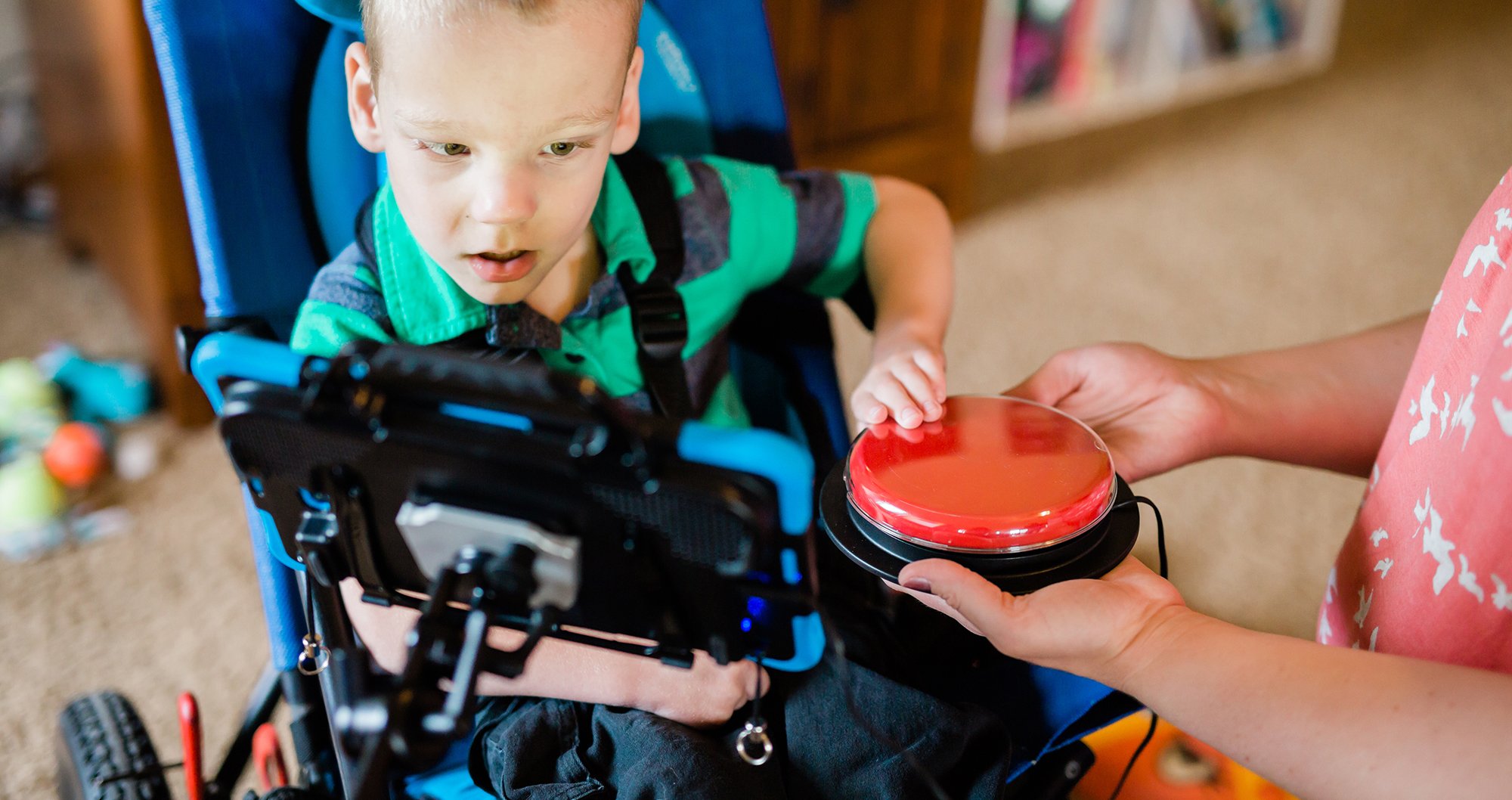
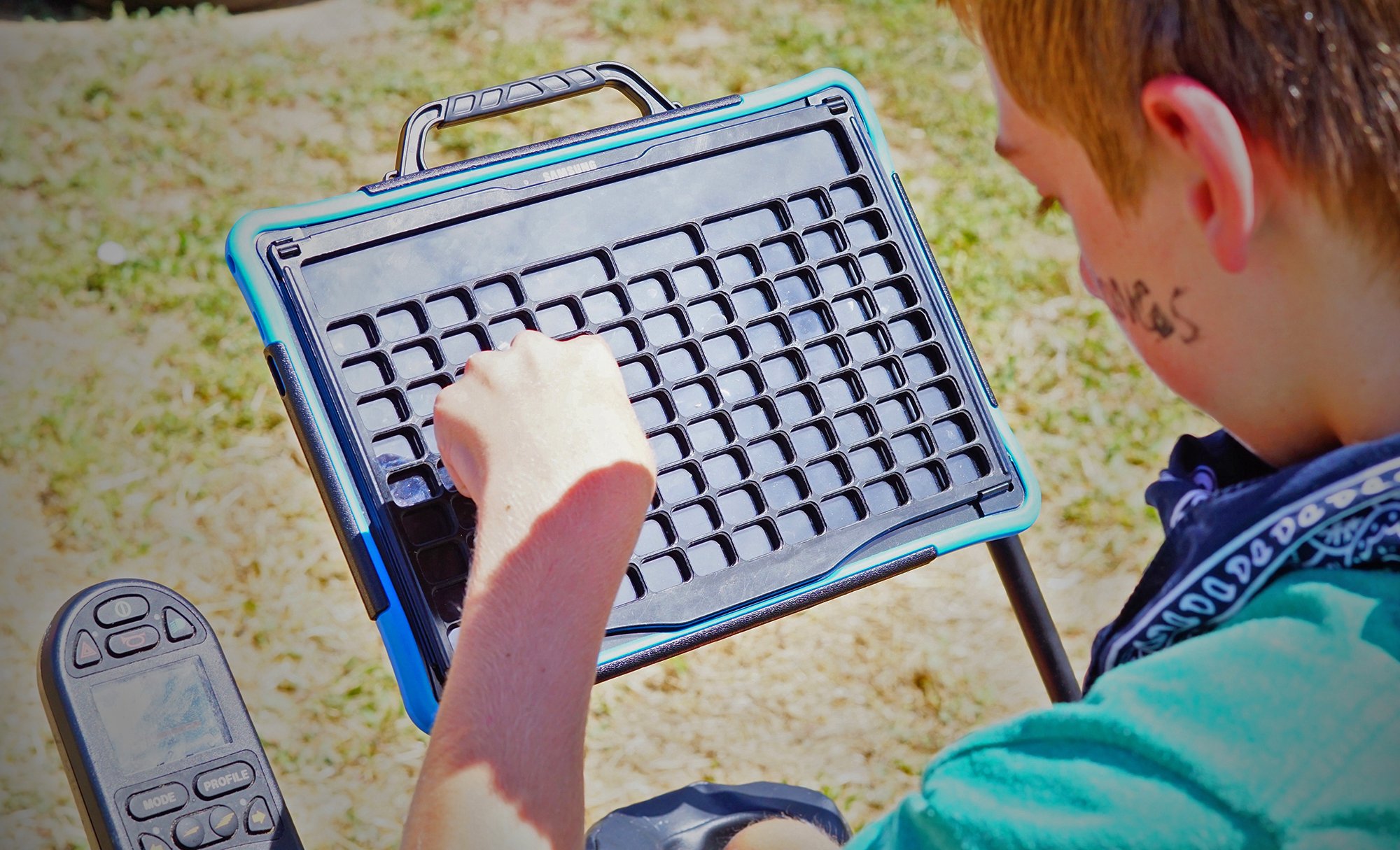
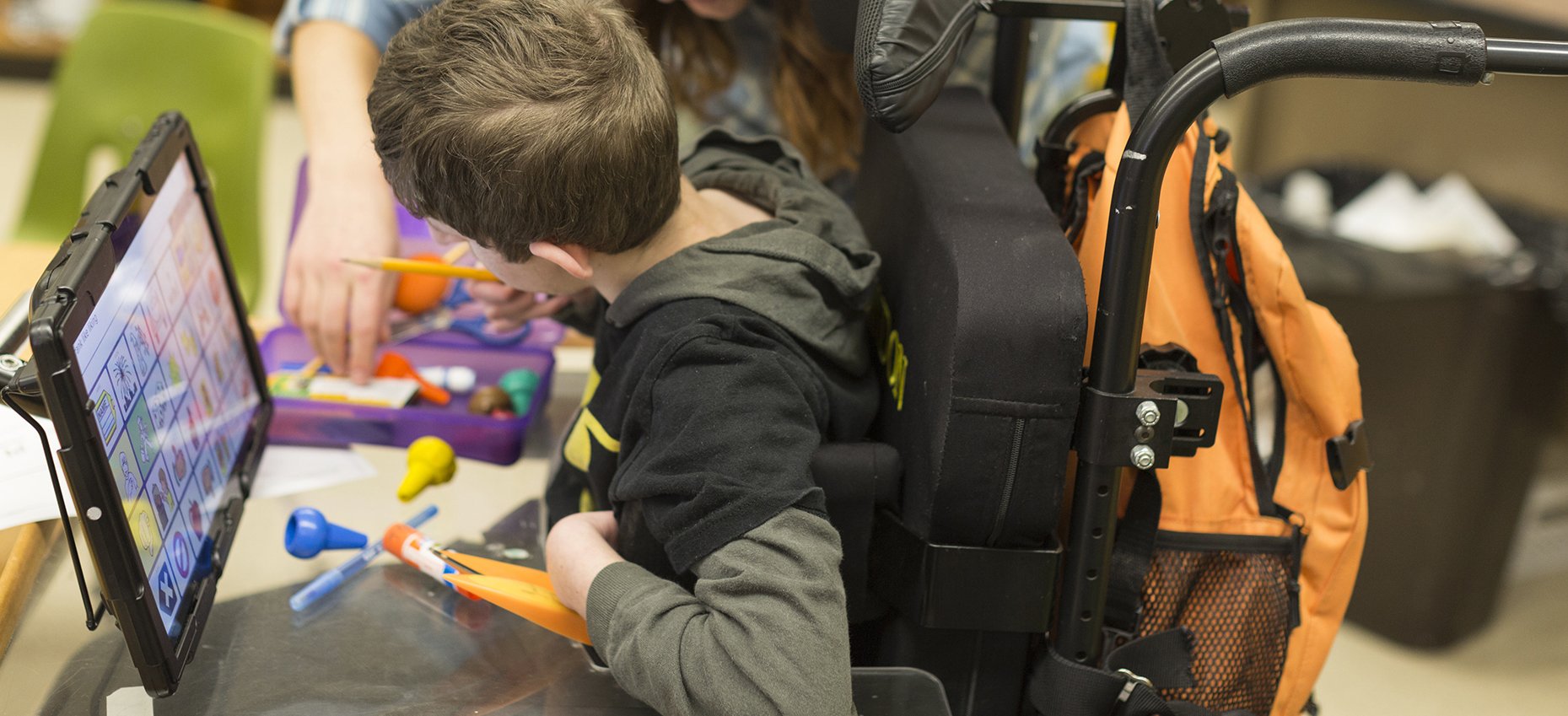
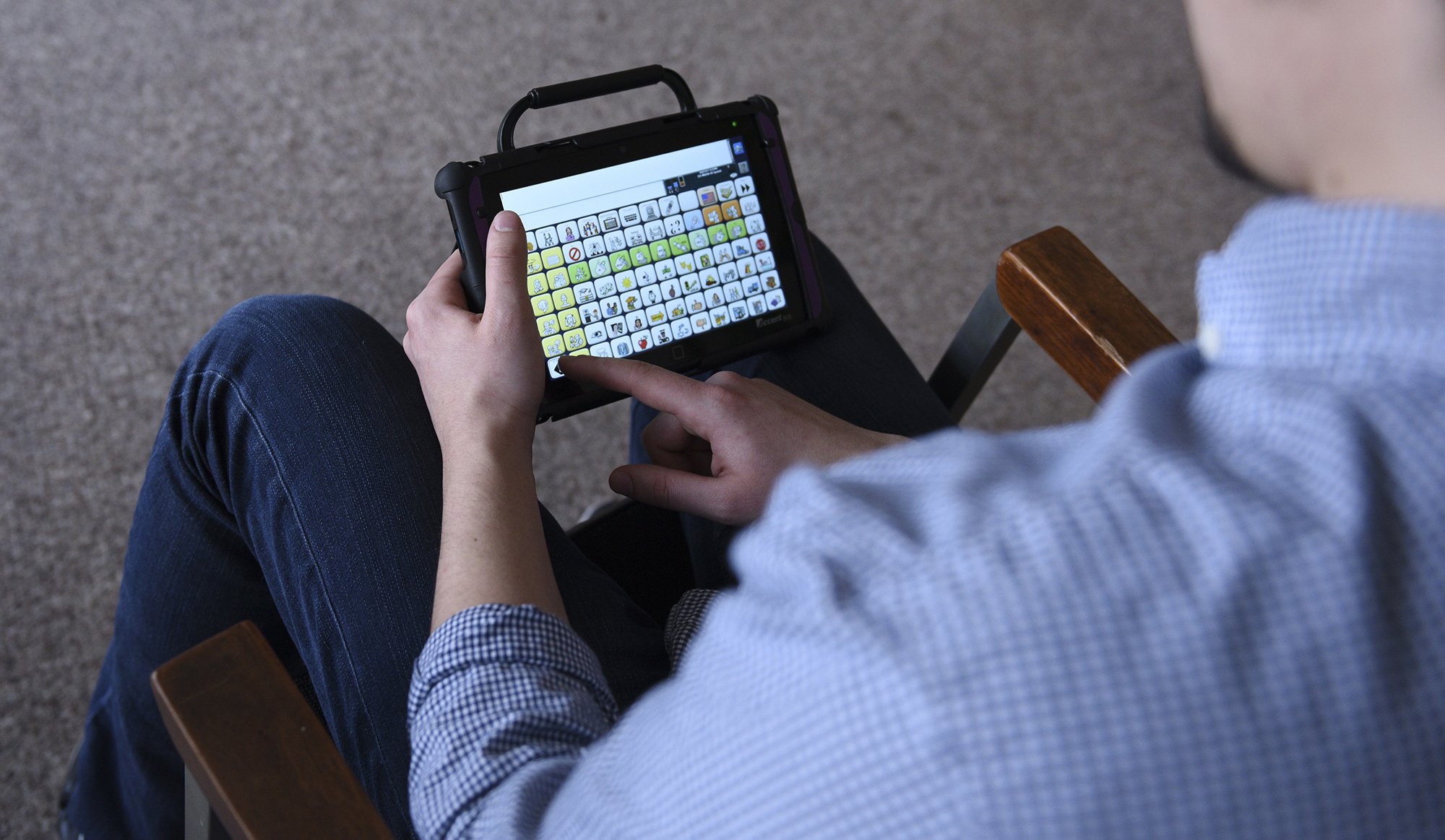
The AAC Language Lab offers real-life solutions in support of language development. Explore language stages and interactive materials designed for Speech Language Pathologists (SLPs), Educators and Parents. An annual subscription provides full access to all materials including guided lesson plans, an activities section, a language screener, implementation tips and more.
With over 50 years of experience in augmentative and alternative communication (AAC) PRC-Saltillo is pleased to offer this unique online resource.
We have made our service even better with all the new features and a lower price. For just $19.95 a year, you will have access to all of these valuable resources.
On a Monday morning in a mid-sized office tower, a network engineer named Mara carried her freshly updated LinkRunner 2000 to the top floor after a call about intermittent VoIP dropouts. The old procedure—multitool, ping floods, packet captures—felt heavy. The 2000’s update had introduced a smarter baseline test that executed silently and returned a compact, actionable summary: link stability, negotiation anomalies, and a hint that PoE was dipping at certain switches. Mara traced the problem down to a marginal port on a stack that had been pushed to the edge by a recent firmware change on the switch itself. Without the updated heuristics, she might have been chasing congestion or codec issues; with it, she swapped a bad cable and moved on. The team’s VoIP calls stopped cutting out. In the breakroom, someone called it magic. The 2000 would have shrugged.
What made the LinkRunner 2000 update intriguing wasn’t merely the features themselves but the way they shifted the relationship between tool and user. Where previous iterations were blunt instruments—truthful but terse—the updated 2000 felt diagnostic and deliberate. It was as if the device, through a few lines of optimized code, learned to ask better questions and hand over answers that fit the tempo of modern operations: quick to act, clear to interpret, and mindful of context. On a Monday morning in a mid-sized office
Of course, a firmware update is not a panacea. Some edge cases surfaced—rare vendor-specific TLVs that the new parser didn’t immediately understand, or older switch firmware exposing odd behavior under aggressive link negotiation. But those instances became feedback, the kind that made the next patch better. The cycle—update, observe, report, refine—kept the tool relevant and the networks humming.
The LinkRunner at 2000 firmware update arrived like a quiet pulse through the network closet—a small but deliberate change that made seasoned technicians look up from their cables and command lines. For years the LinkRunner family had been something of a backstage hero: compact, rugged handheld testers that could be relied on to answer the blunt questions networks ask—“Is there link? What speed? Is PoE present? Is the path alive?” Then came the 2000 series: sleeker, faster, designed for a world where single faults unraveled entire workflows and an afternoon’s downtime could cascade into missed deadlines.
In the end, firmware is a kind of quiet fiction: a narrative of improvement told in version numbers and release notes. But when that story translates into fewer late-night truck rolls, fewer escalation calls, and more predictable service, it becomes part of the lived history of a team. The LinkRunner 2000’s firmware update was one of those small chapters—unflashy, precise, and practical—that, stitched together with others, made the daily work of maintaining connectivity a little less fraught and a little more sure. Mara traced the problem down to a marginal
There were evenings when the update proved its worth in less glamorous ways. In cramped telecom rooms where heat and habit accumulate, the 2000’s refined cable diagnostics saved time by isolating pair faults that used to take hours of continuity testing to uncover. Field teams working in retail stores found the improved GFP/802.3 testing reduced callbacks. Newer recruits appreciated the clearer summaries and felt less like they were interpreting hieroglyphs and more like they were joining the conversation.
Firmware updates are rarely cinematic. They are careful procedures, changelogs, and incremental fixes. But the 2000’s update felt different. It read like a refinement of temperament rather than just function—an instrument learning to listen better. The release notes were practical, of course: improved Layer 2 discovery, more resilient LLDP parsing, tighter timing for cable diagnostic routines, and enhanced PoE negotiation support. Yet what technicians really noticed was the way the unit seemed more considerate in its interactions—fewer false positives, fewer confusing error codes, and a display that prioritized clarity over clutter.

Students can do a variety of Earth Day related activities.
Stage Four - Add More WordsLearn successful speech strategies with one of our lesson plans

This month we’re exploring how we can send kind, silly, or funny mes...
Stage All - All LevelsGet excited about AAC with activities that make learning fun
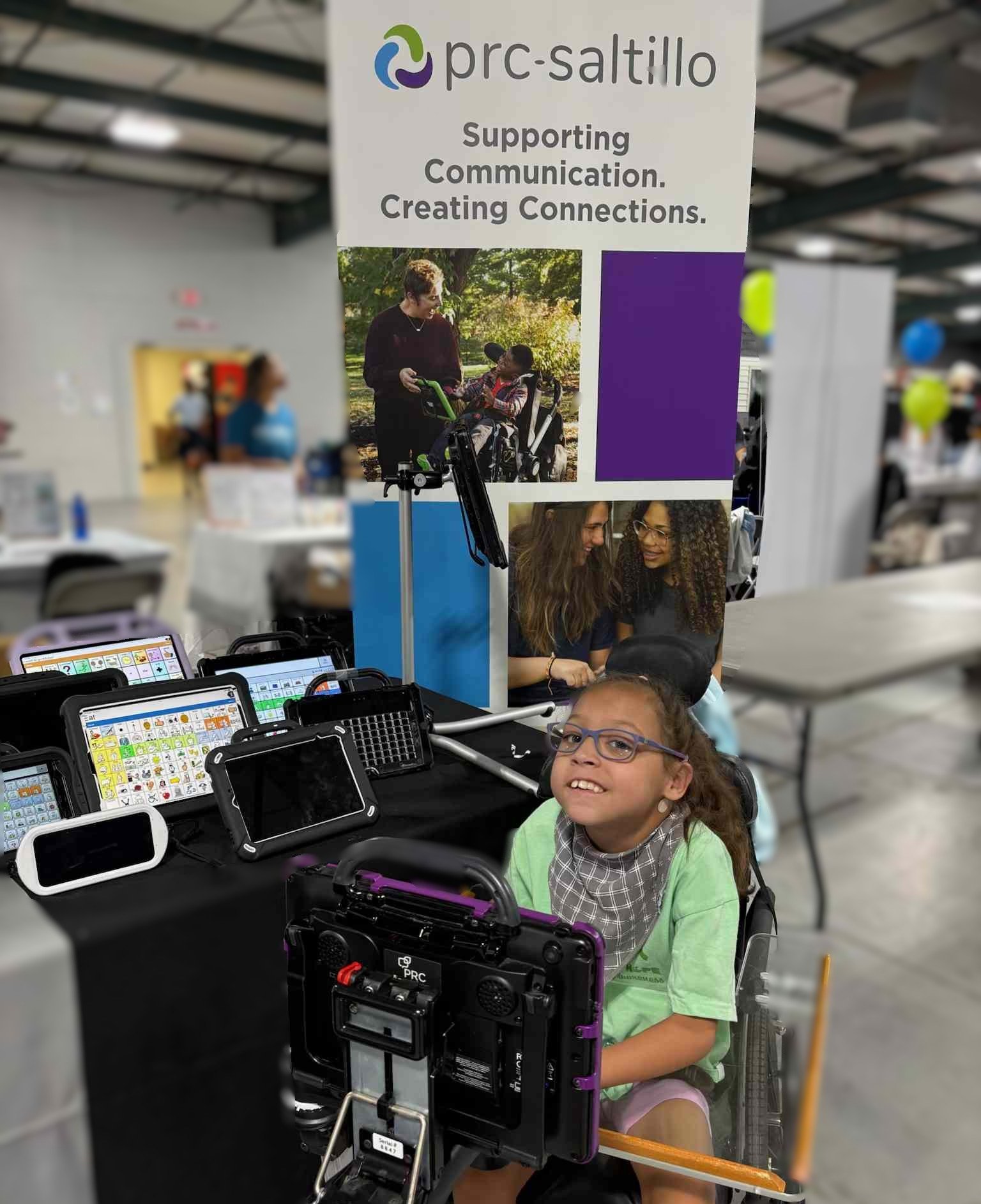
by Naiya Daves, PRC-Saltillo Ambassador This summer I did a 3 w...
Blog Post - Dec 02 2025Read the latest blogs and find out what's going on in the AAC community

The student will speak using single words.
Stage One - Use Single WordsSee this month's most popular lesson plan
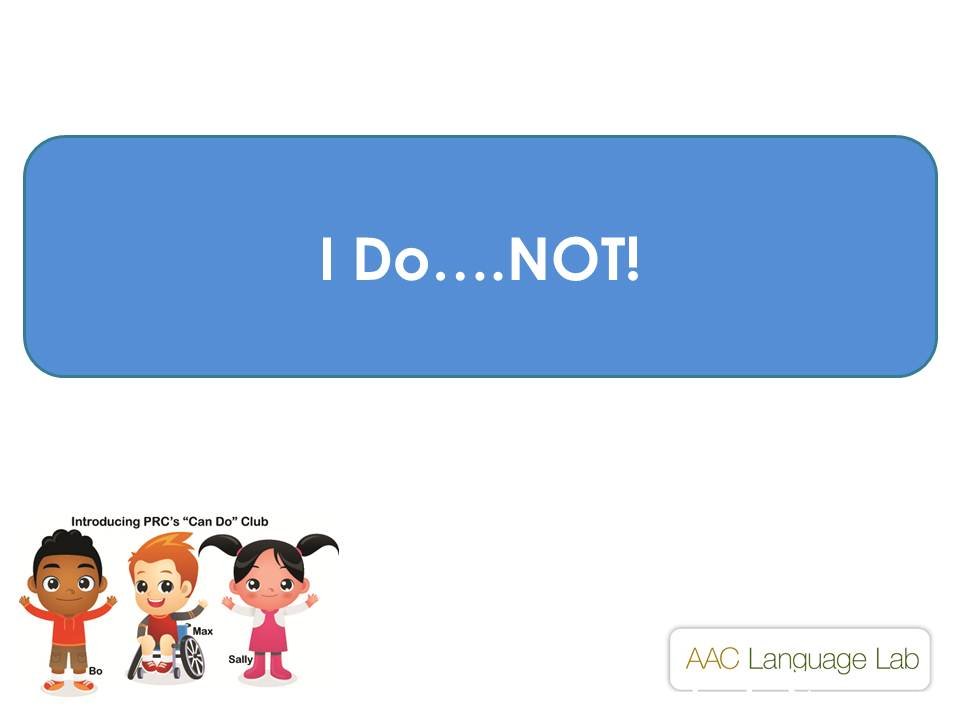
Encourage the student to direct the behavior of others using negatives...
Stage One - Express NegativesSee this month's most popular activity