
FUNDED BY:

POWERED BY:

DICOM Samples
|
DICOM Library is a free online medical DICOM image or video file sharing service
for educational and scientific purposes.
|
|
STUDIES SHARED
by using Dicom Library
1
4
9
9
1
6
8
|
 |
|
By clicking Select DICOM file button You agree with our
Terms of Service
and the
Privacy Policy
ROADMAP NOTICE:
The personal account functionality will not be developed in the nearest future. Dicom Library’s team has made the decision to focus on the development of main Dicom Library features and improvement of its user experience.
DICOM Library USAGE
Select DICOM format image, video file or archived into a zip (*.zip) folder files (ZIP should contain only 1 study).
Do not upload files with information written on image!Service anonymize and only then upload files. It skips non DICOM format files. Uploaded files management is opened after successful upload - DICOM Study MANAGEMENT Panel. There you can share, download and delete files.
Watch video how to upload, view, share and download anonymized DICOM files online: DICOM files and DICOM file Tags listed in the Terms of Service will be automatically anonymized in the user's browser before uploading to the DICOM Library server. The user who uploads data is responsible for uploaded data and can upload DICOM files WITHOUT PERSONAL DATA located ON PICTURE, ON VIDEO, IN DICOM SR TEXT, IN DICOM PDF's or in any other Tags not listed as automatically anonymized (see the Terms of Service). The DICOM Library software intended for anonymization, sharing and viewing of DICOM files online complies with the requirements of the Regulation (EU) 2016/679 of the European Parliament and of the Council of 27 April 2016 on the protection of natural persons with regard to the processing of personal data and on the free movement of such data, and repealing Directive 95/46/EC (General Data Protection Regulation). Please note that:
|
News & UpdatesMedDream DICOM Viewer 8.7.0 is released! Date: 2025-06-12

The most important new features, new measurements, and improvements are described below: New features of viewing functionality:
Improved features:
News:
VIDEO of ONLINE WEBINAR: 'What’s new in MedDream v8.7.0?'. Date: 2025-07-22
Watch webinar's video recording:
Webinar was dedicated to MedDream DICOM Viewer v8.7.0 new release’s the most important features presentation and live demonstration. Agenda:
Mistress — JardenaThe fight spilled into the rain. Toman and Old Hal moved like windmill arms, trading blows with hired men. Mira dove beneath a thrown blade to knock a soldier into the tide. Jardena fought Locke on the quay; his sword was clever and practiced. Around them, the town's folk formed a ring, some with pitchforks, many with frightened faces. The blue rose in her pocket hummed against her palm, a steadying pulse. Mistress Jardena ruled the coastal town of Halmar with a quiet, iron patience. She had inherited the post from her mother—a long line of wardens who kept the cliffs and the harbor from falling into lawlessness—and she wore that inheritance like armor: practical leather boots, a wool cloak against the spray, and a simple silver circlet that meant more to fishermen than any ledger or proclamation. People called her "Mistress" not for show but because she answered when they needed an anchor: when storms came early, when barn fires threatened, when smugglers tested the harbor's patience. "Who paid?" she asked. The captain spat into the water. "A man from the south. He called himself Locke. He said you would come one day and that the chest belonged to you." At the edge of the fight, a child—small, pale, with the same defiant chin Jardena wore—stepped forward and shouted for no one in particular: "Mistress Jardena! The maps—look!" The maps in Locke's satchel had come loose and unrolled in the rain, and as they hit the water they shimmered. The paper unlatched into the sea and revealed names hidden like coral: a hundred small coves whose tides still answered to Halmar's pact. As the maps spilled, the tide-roads above them answered, wrapping like bands and lifting men high. The hired men found their boots useless as their feet left the quay; currents moved them gently away, depositing them far down the shoreline where they could not regroup. mistress jardena One autumn, a merchant ship named the Celandine limped into Halmar with a strange cargo: casks of black glass and a chest bound in rope and iron. The captain, a gaunt man with salt-black hair and one good eye, begged for shelter and said little of what lay below deck. Jardena met him on the quay. She smelled the sea in him—the way sailors always smelled of coming and leaving—and noticed at once the way his fingers trembled when he spoke of the chest. They surfaced, hauling the Heart back as tide-roads slid closed behind them. When they returned, the town smelled of smoke. The south market men had come in force. Locke stood at the quay with more than traders—soldiers and hired hands ringed about him like wolves. The fight spilled into the rain Years later, children ran the quay with voices that had belonged to sailors, and the blue rose bloomed at midnight more often than not. Mira grew into a weatherreader whose songs could call in squalls or send them away. Toman became the harbor's master of lines. Old Hal told tales about the time the sea took men like knotted rope. Locke's name turned up in the market sometimes as a cautionary tale and sometimes as a helpful merchant on a fair wind—people forgot leanings quickly. DICOM Library users worldwide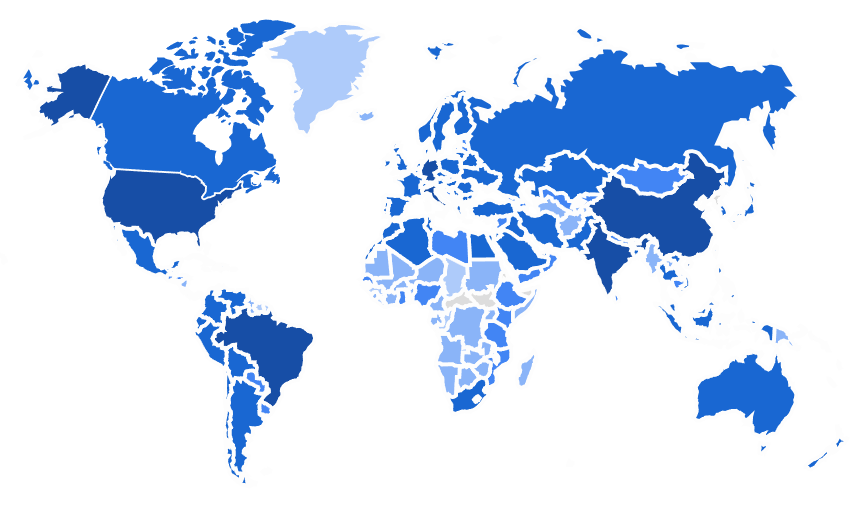
Last updated: 2025-05-29.
|
What can you upload?
You can upload DICOM file or files packed as zip.
Zip must contain DICOM files of studies, series and others.
How upload works?
Firstly test if it DICOM file or it will be skipped. Secondly try anonymize and then upload file to server. Same goes for zip file: try to extract and read file by file, test for DICOM format or skip, anonymize and upload. All extracting and anonymization is made on your browser.
Share?
You can share uploaded files via social networks: facebook, twitter and send by e-mail.
Anonymization?
At this point - deletes information about patient and attributes to identify a person in each DICOM file. Anonymization is done in your browser.
Do not upload files with information written on image!
Do not upload files with information written on image!