
As one stepped into the room, the eyes widened in awe. Towering shelves, stretching from floor to ceiling, were lined with Laserdisc players, each one meticulously restored to its former glory. The air was thick with the scent of old plastic, dust, and the faint hint of excitement. Emily, a warm smile spreading across her face, welcomed visitors to her sanctuary.
In a small, cluttered room nestled in the heart of a bustling city, a treasure trove of animation history lay hidden. The Tom and Jerry Laserdisc Archive, curated by the passionate and meticulous collector, Emily, was a sanctuary for fans of the beloved cartoon duo. For years, Emily had scoured the globe, tracking down rare Laserdiscs, VHS tapes, and even original production materials to create this magnificent collection. the art of tom and jerry laserdisc archive
The collection began with the earliest Tom and Jerry shorts, produced by William Hanna and Joseph Barbera in the 1940s. Emily carefully explained the history behind each cartoon, pointing out subtle animation techniques and clever gags that had entertained audiences for generations. As she spoke, her hands lovingly caressed the spines of the Laserdiscs, as if each one held a secret she was eager to share. As one stepped into the room, the eyes widened in awe
The Art of Tom and Jerry Laserdisc Archive was more than just a collection of nostalgic artifacts; it was a testament to the enduring power of animation to bring joy and wonder to audiences of all ages. As Emily often said, "Tom and Jerry's antics may have been created over 75 years ago, but their timeless appeal continues to inspire new generations of animators, filmmakers, and fans." Emily, a warm smile spreading across her face,
One section of the archive was dedicated to the Laserdisc releases themselves. Emily had managed to acquire a near-complete set of the Tom and Jerry Laserdisc series, including hard-to-find titles like "Tom and Jerry's Golden Collection" and "The Complete Tom and Jerry Collection." Each disc was painstakingly preserved, with custom-designed artwork and liner notes detailing the production history of each cartoon.
Among the treasures on display was a rare, hand-painted cel from the classic short "The Cat Concerto" (1947), which had won the Academy Award for Best Short Subject (Cartoon). Emily gently lifted the cel, revealing the intricate details and subtle color variations that made the animation so timeless. Visitors marveled at the delicate pencil work on a storyboard page from "The Midnight Snack" (1944), one of the earliest Tom and Jerry cartoons.
The pièce de résistance, however, was the "Vault of Lost Treasures." A special room within the archive, accessible through a hidden door, contained some of the rarest and most valuable items in the collection. Emily led visitors through a narrow corridor, lined with framed stills from the cartoons, and into a dimly lit chamber filled with original animation cels, storyboards, and even a few pieces of concept art.
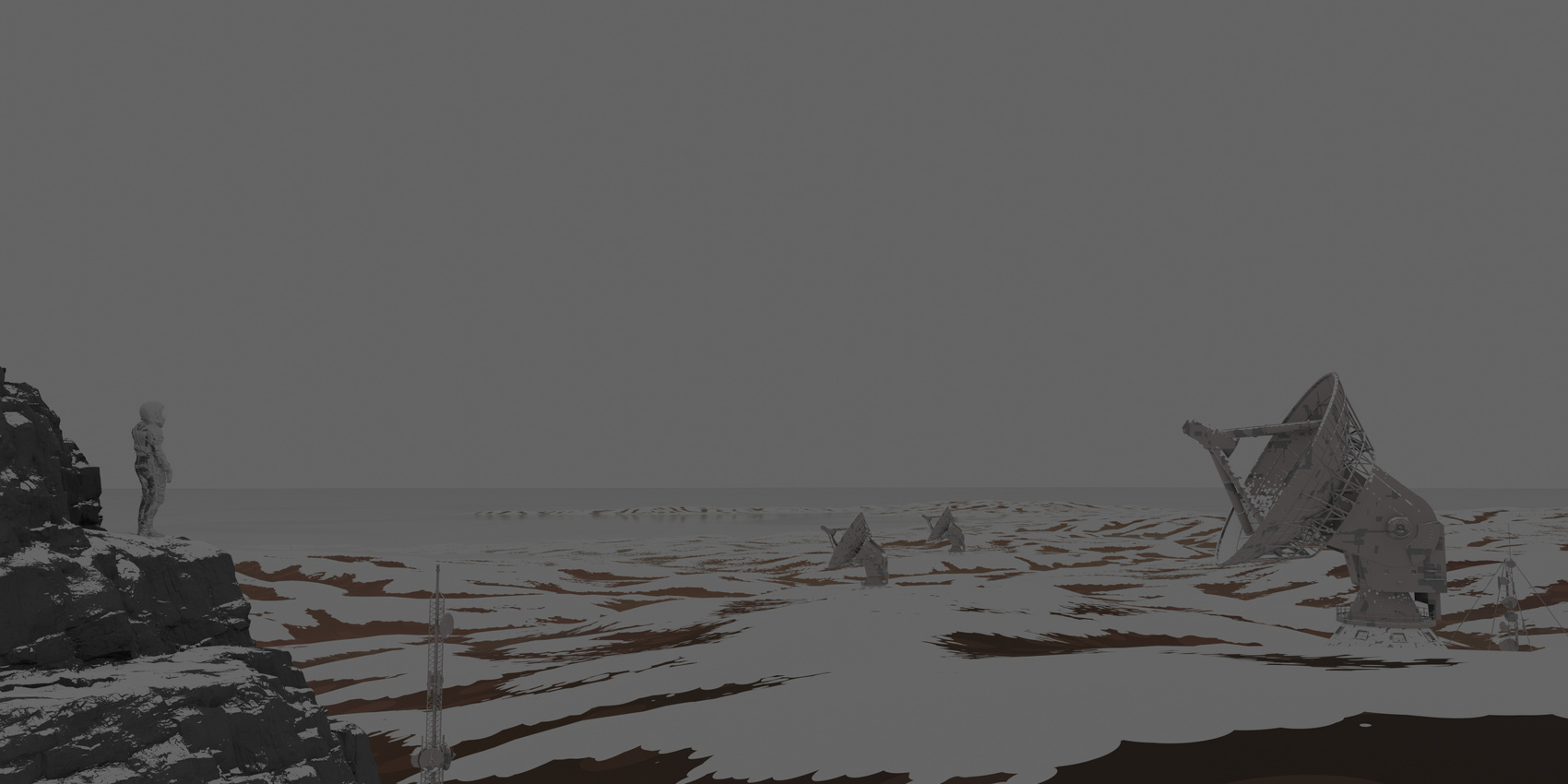
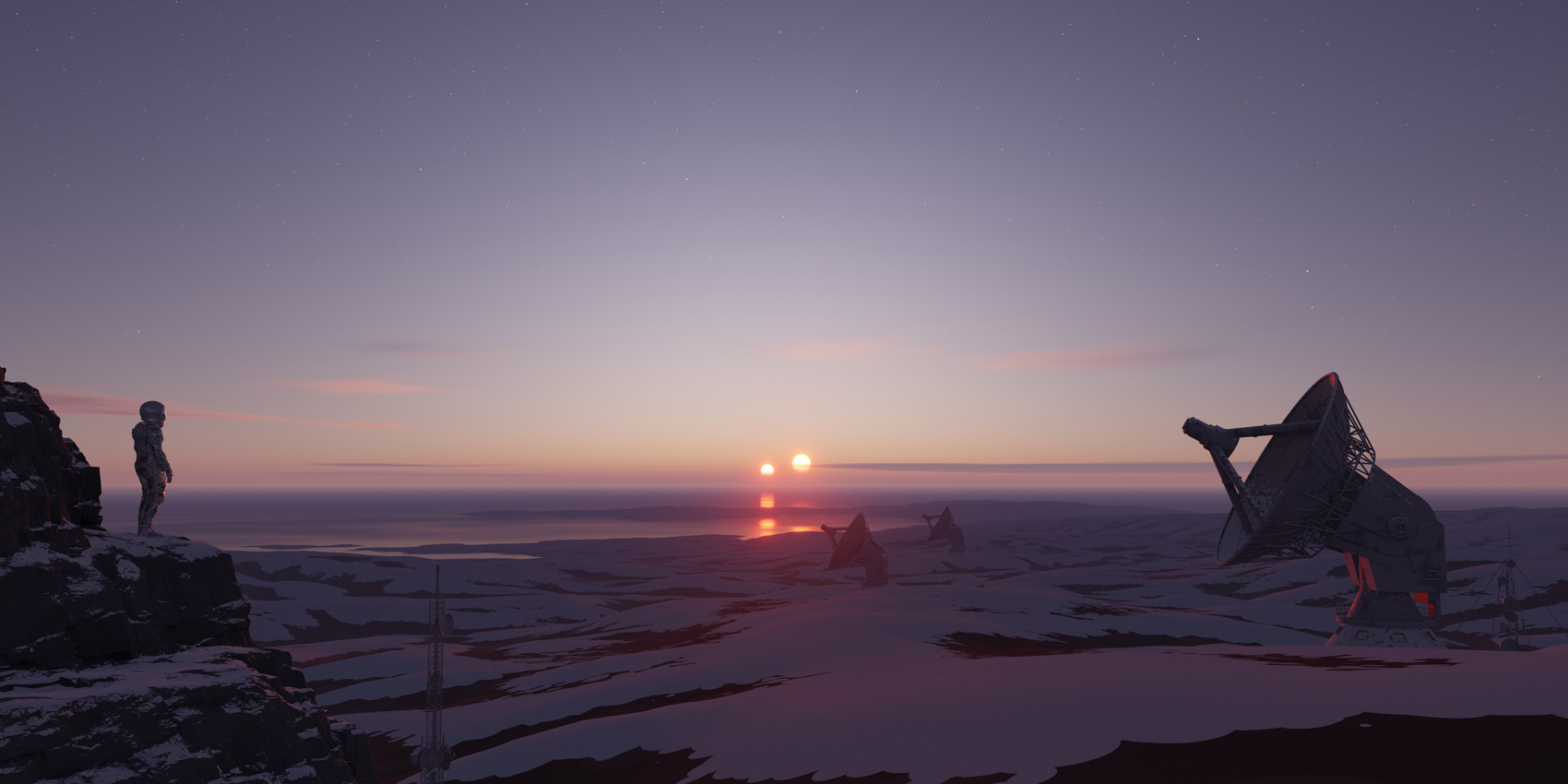
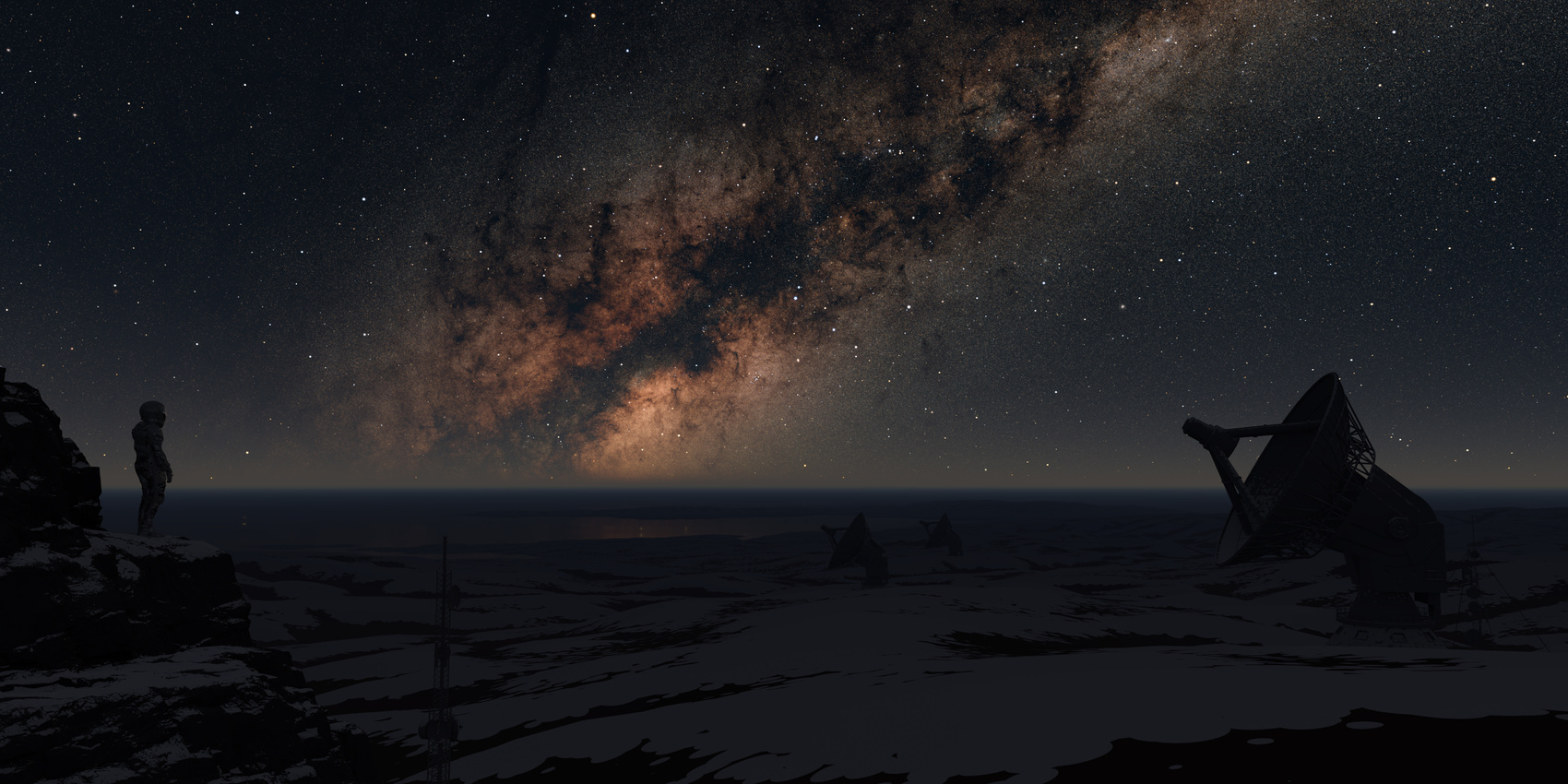
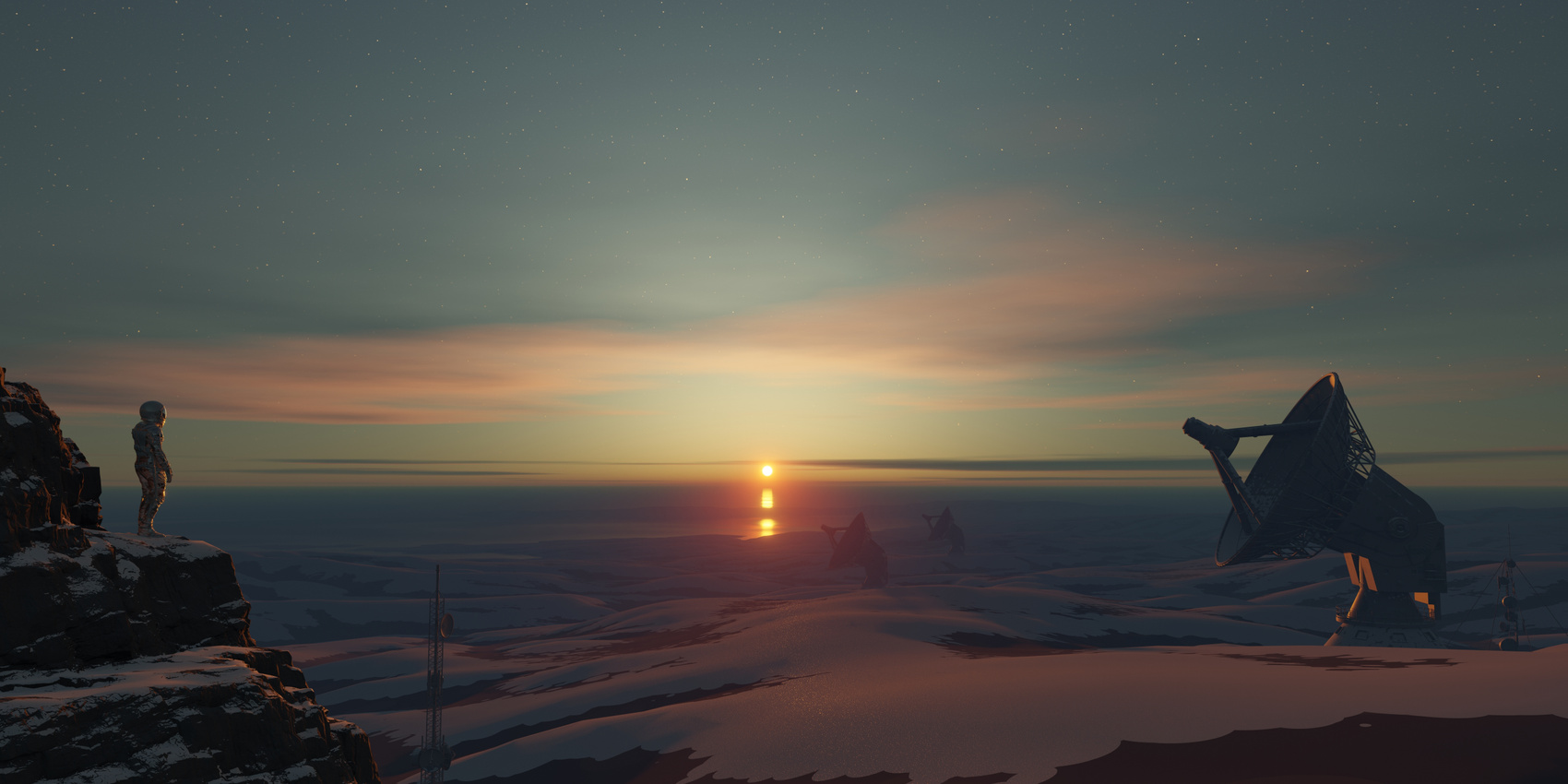
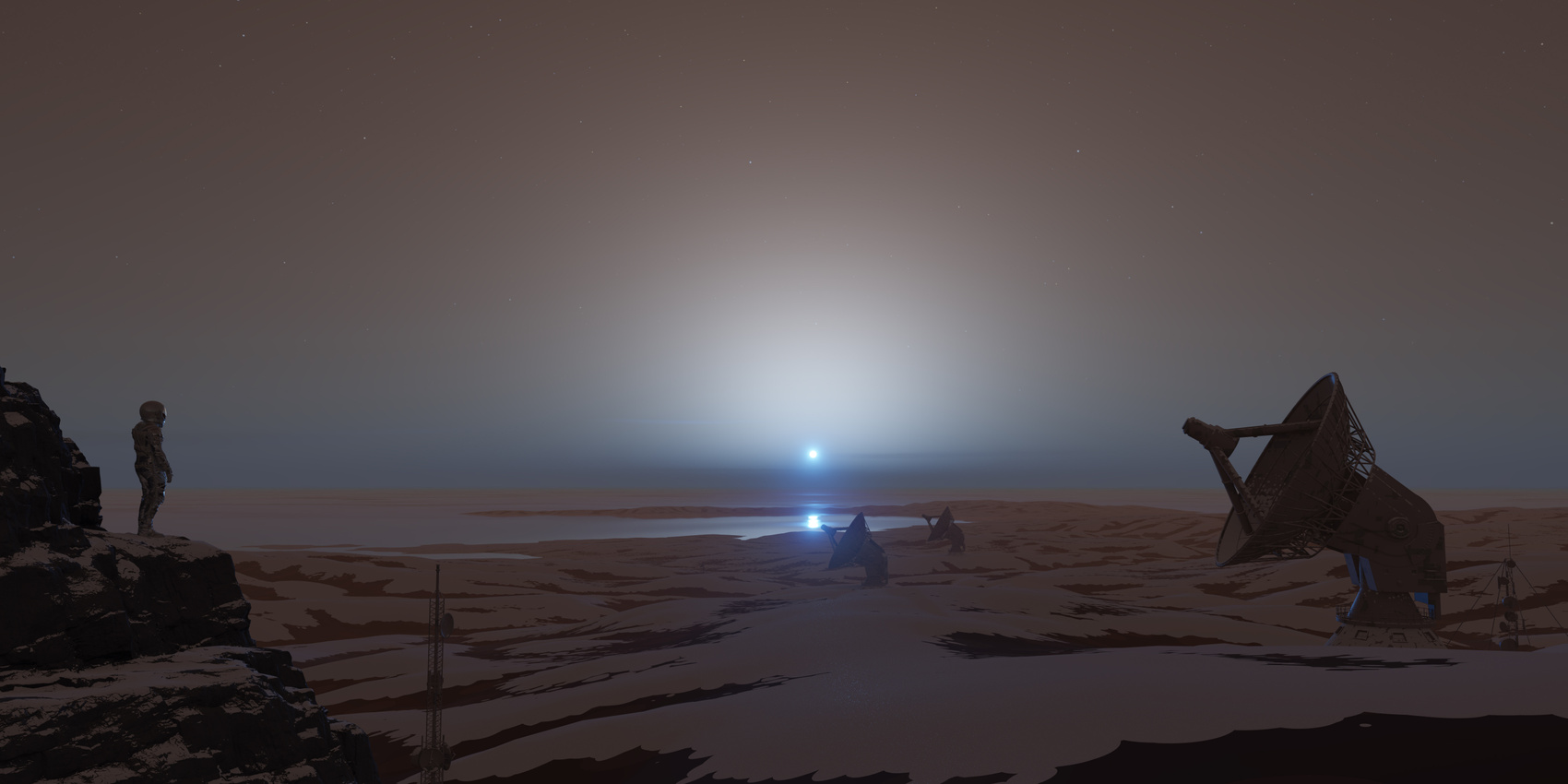
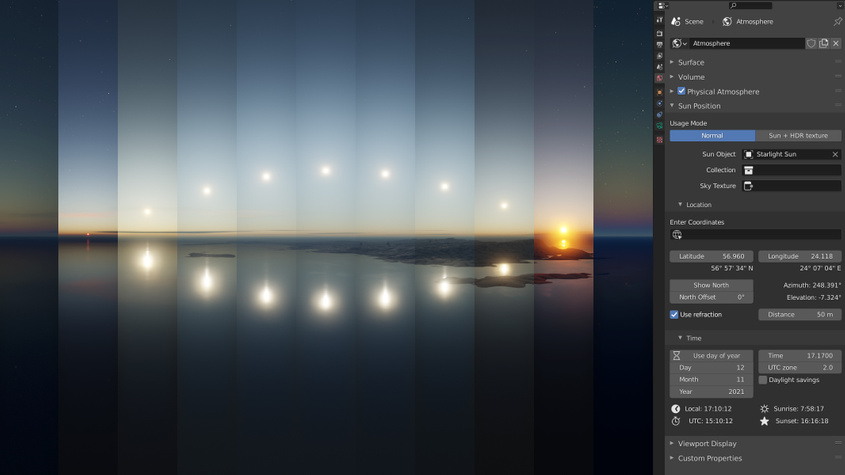
This addon saves hours that usually are invested in manually creating sky, atmosphere and placing sun object and stars, and automates it within a single click.
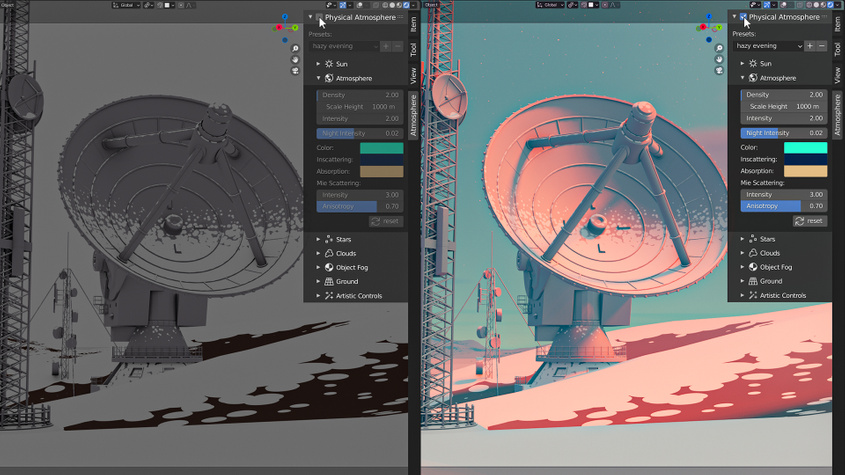
We have more than a decade of experience with atmosphere rendering techniques in computer graphics industry. Physical Starlight and Atmosphere addon is used in entertainment, film, automotive, aerospace and architectural visualisation industries.
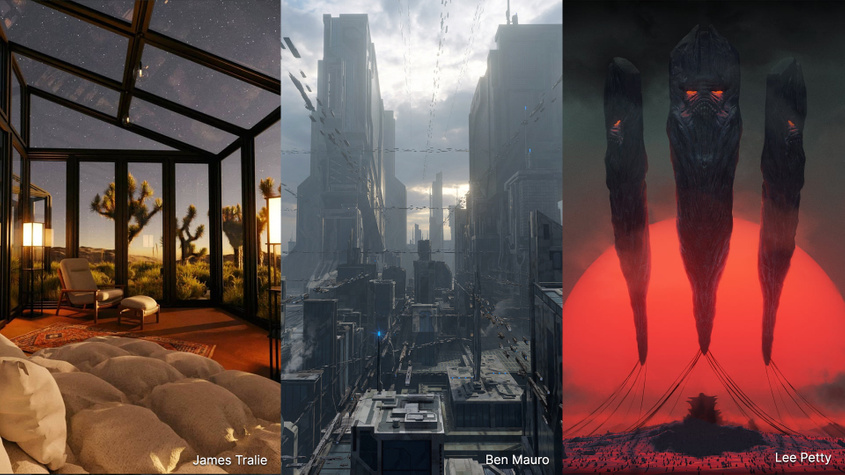
Presets allow to store a snapshot of your customized atmosphere settings and return to it later or use already predefined presets provided by the addon.

We use a procedural method of calculating the atmosphere based on many tweakable parameters, so that sky color is not limited only to the Earth's atmosphere.
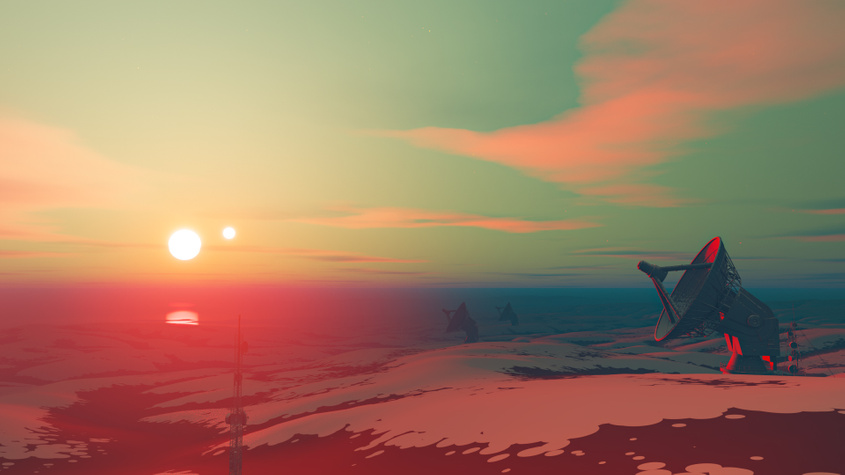
Works well in combination with Blender Sun Position addon. You can simulate any weather at any time.

"Physical Starlight and Atmosphere has been an invaluable tool for me in my personal/professional work and a huge missing link for lighting in Blender. It still feels like magic every time I use it, I can't recommend it highly enough!"

"Physical Starlight and Atmosphere has been an essential add-on for all of my environmental design projects. It gives me such incredibly flexibility and control over the look and feel of my renders. Lighting is key for any project, and this add-on always gives my work that extra edge."

"As a lighting artist, focusing on the overall mood of an image is super important. Physical Starlight and Atmosphere is based on reality, so I can spend all of my time iterating on the look without worrying about how to achieve it. "

"I love the tool. It has been my go-to since I picked it up a couple of months ago."

"My work life has become super easier since I started using Physical Starlight and Atmosphere, it cut down a lot of technical headache associated with setting up a believable lighting condition and gave me more time to concentrate on the creative part of my design process."
As one stepped into the room, the eyes widened in awe. Towering shelves, stretching from floor to ceiling, were lined with Laserdisc players, each one meticulously restored to its former glory. The air was thick with the scent of old plastic, dust, and the faint hint of excitement. Emily, a warm smile spreading across her face, welcomed visitors to her sanctuary.
In a small, cluttered room nestled in the heart of a bustling city, a treasure trove of animation history lay hidden. The Tom and Jerry Laserdisc Archive, curated by the passionate and meticulous collector, Emily, was a sanctuary for fans of the beloved cartoon duo. For years, Emily had scoured the globe, tracking down rare Laserdiscs, VHS tapes, and even original production materials to create this magnificent collection.
The collection began with the earliest Tom and Jerry shorts, produced by William Hanna and Joseph Barbera in the 1940s. Emily carefully explained the history behind each cartoon, pointing out subtle animation techniques and clever gags that had entertained audiences for generations. As she spoke, her hands lovingly caressed the spines of the Laserdiscs, as if each one held a secret she was eager to share.
The Art of Tom and Jerry Laserdisc Archive was more than just a collection of nostalgic artifacts; it was a testament to the enduring power of animation to bring joy and wonder to audiences of all ages. As Emily often said, "Tom and Jerry's antics may have been created over 75 years ago, but their timeless appeal continues to inspire new generations of animators, filmmakers, and fans."
One section of the archive was dedicated to the Laserdisc releases themselves. Emily had managed to acquire a near-complete set of the Tom and Jerry Laserdisc series, including hard-to-find titles like "Tom and Jerry's Golden Collection" and "The Complete Tom and Jerry Collection." Each disc was painstakingly preserved, with custom-designed artwork and liner notes detailing the production history of each cartoon.
Among the treasures on display was a rare, hand-painted cel from the classic short "The Cat Concerto" (1947), which had won the Academy Award for Best Short Subject (Cartoon). Emily gently lifted the cel, revealing the intricate details and subtle color variations that made the animation so timeless. Visitors marveled at the delicate pencil work on a storyboard page from "The Midnight Snack" (1944), one of the earliest Tom and Jerry cartoons.
The pièce de résistance, however, was the "Vault of Lost Treasures." A special room within the archive, accessible through a hidden door, contained some of the rarest and most valuable items in the collection. Emily led visitors through a narrow corridor, lined with framed stills from the cartoons, and into a dimly lit chamber filled with original animation cels, storyboards, and even a few pieces of concept art.