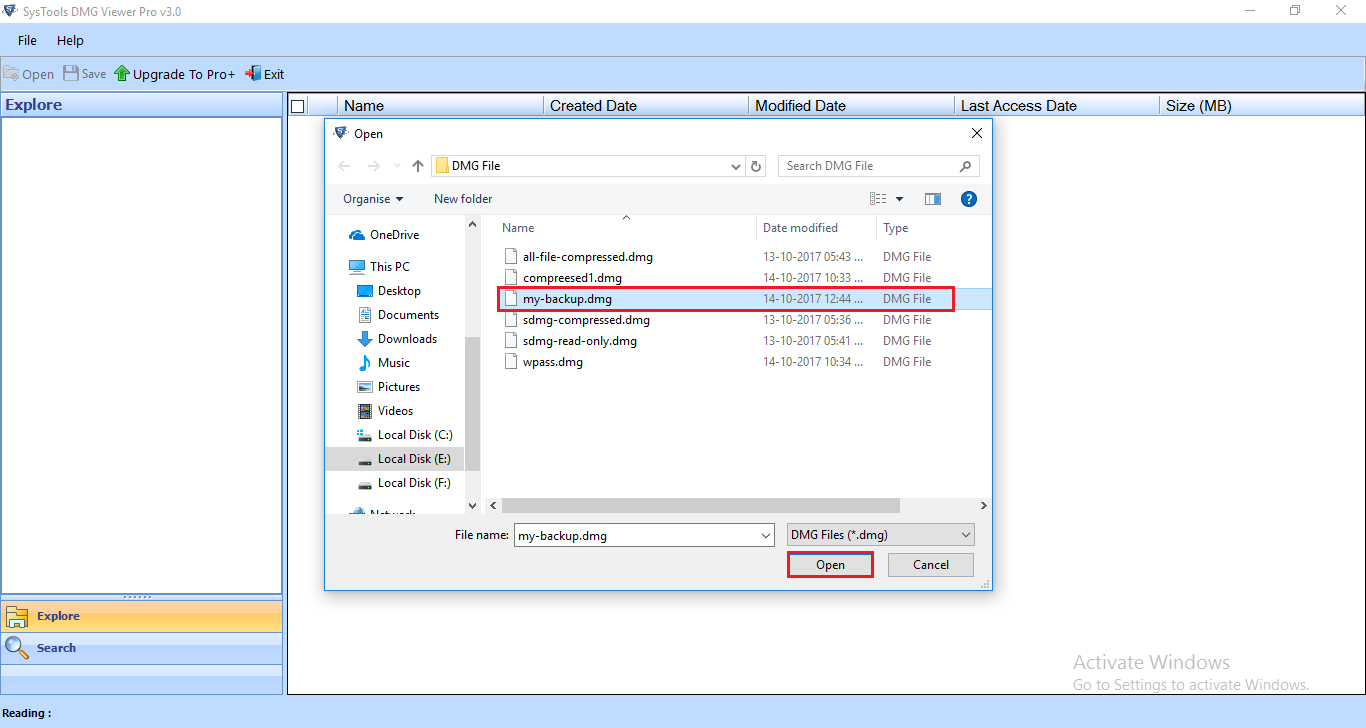
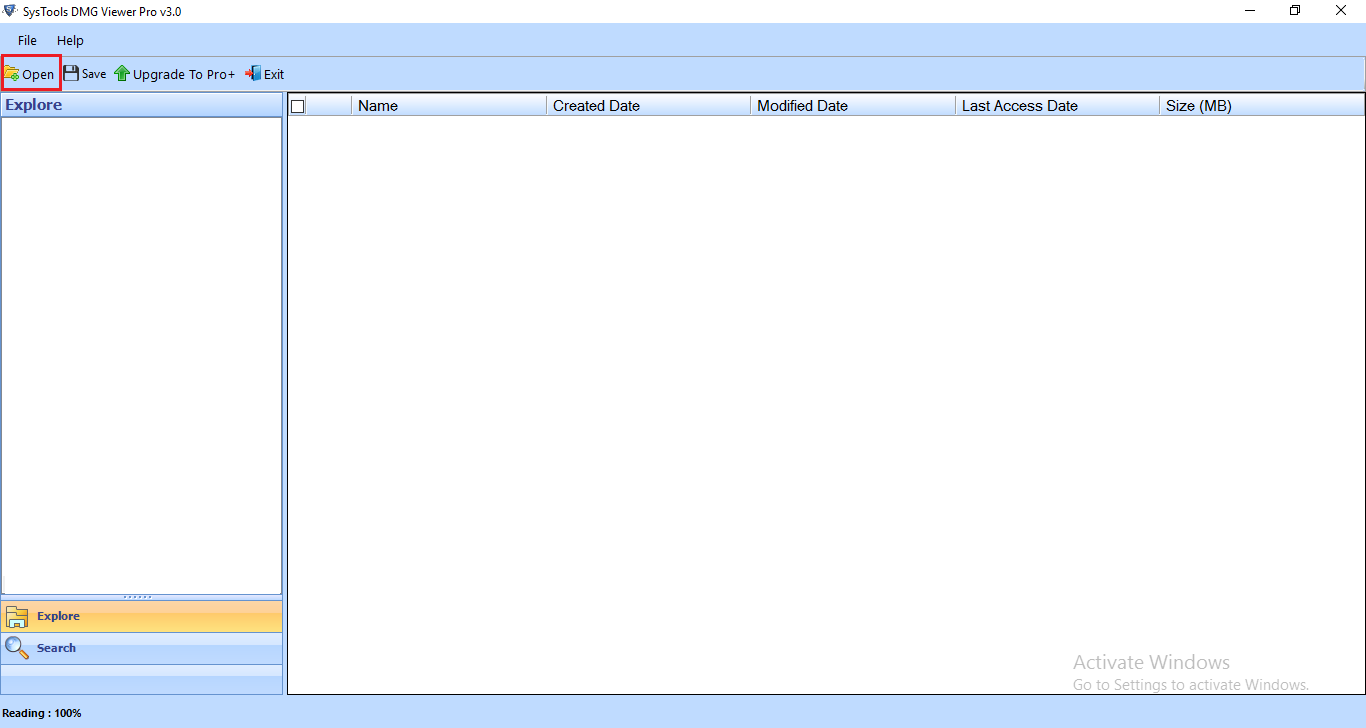
Step 1. Browse DMG File
Browse to the folder where the DMG File is saved. Then, select the file and click the Open button
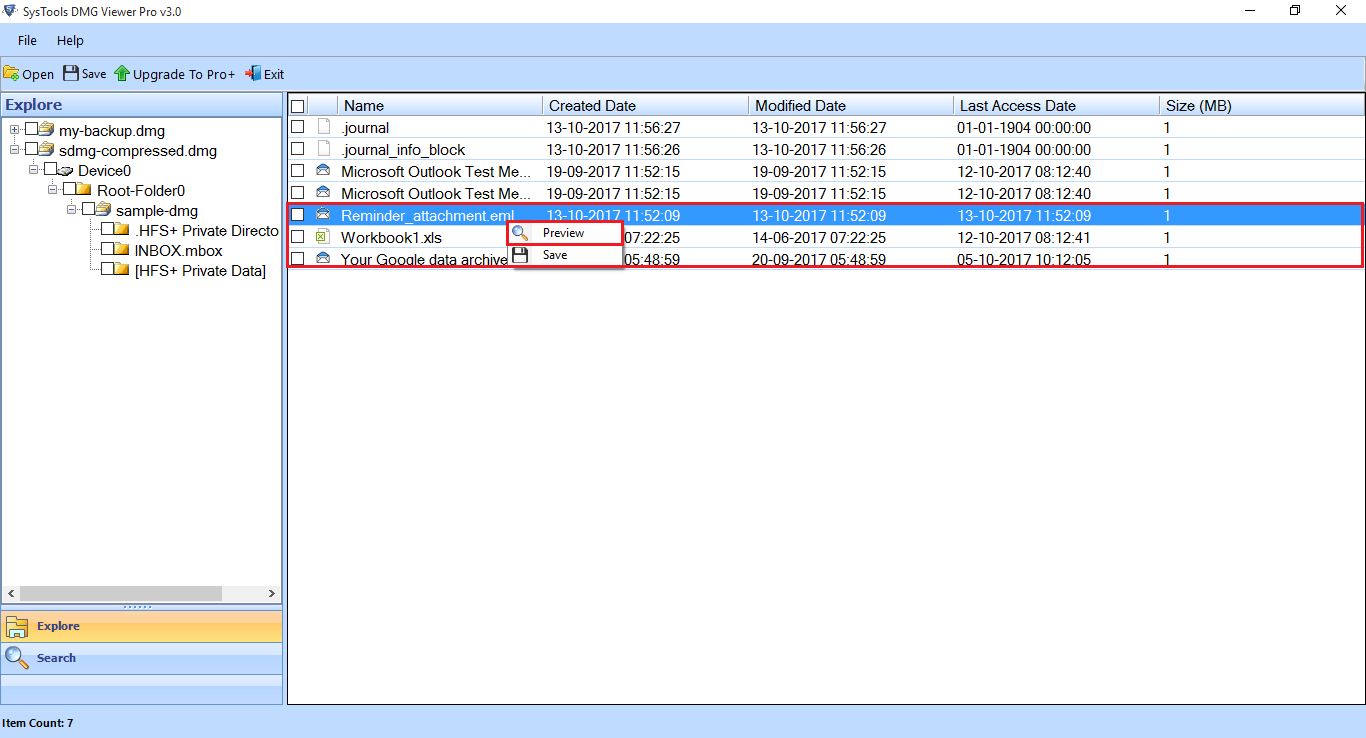
Step 2. Expand & Preview
Select a folder from the left panel to Expand, Expand All, Collapse, Collapse All
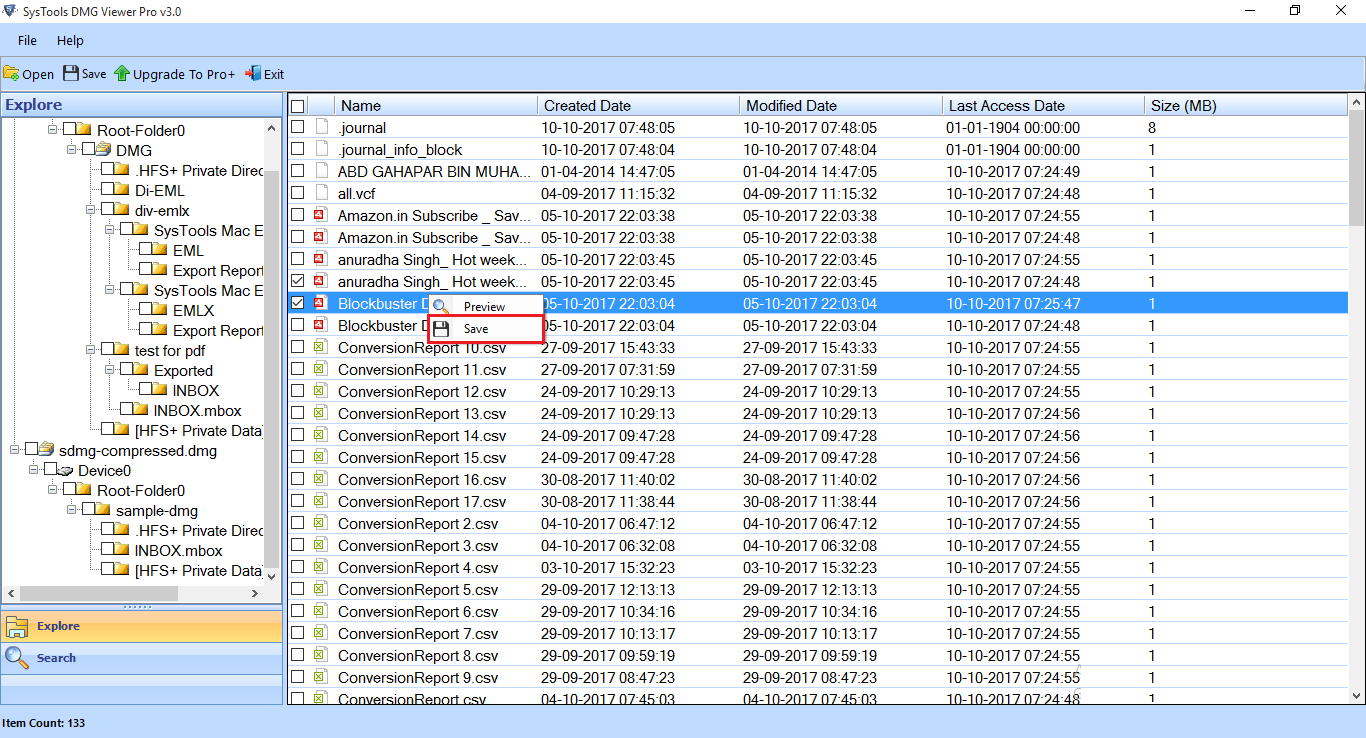
Step 3. Save DMG File Data
Select a file and click on Save button to extract DMG data
The widespread adoption of the internet in the 1990s and 2000s led to the development of mobile internet technologies, such as GPRS, UMTS, and LTE. These technologies enabled faster data transfer rates and paved the way for the proliferation of smartphones.
Today, wireless communications are an integral part of our daily lives. We use mobile phones, laptops, and tablets to communicate, access information, and stream media. The widespread adoption of 4G and 5G networks has enabled faster data transfer rates, lower latency, and greater connectivity.
The 1960s and 1970s saw the development of cellular communications, which revolutionized wireless telephony. The first cellular network was launched in Japan in 1979, and the United States followed suit in 1983.
In 1864, James Clerk Maxwell predicted the existence of radio waves, a form of electromagnetic radiation that could transmit information wirelessly. Later, in 1887, Heinrich Hertz experimentally confirmed Maxwell's theory, demonstrating the existence of radio waves.
The early 20th century saw the development of wireless telephony, which enabled voice communication over radio waves. In 1906, Reginald Fessenden, a Canadian inventor, transmitted audio signals over radio waves for the first time. This marked the beginning of wireless telephony.
DMG Extractor Software Specifications
Trial Limitations
Limitations
Demo Version of DMG File Extractor shows the preview of EML, TXT, GIF, & HTML file. Pro version allows to extract DMG files with all data.
System Specifications
Hard Disk Space
50 MB of free hard disk space required
RAM
2 GB is recommended
Processor
2.4 GHz is recommended
Application Pre-Requisites
Pre-Requisites
If you are using Windows 11 / 10 / 8.1 / 8 / 7, then please launch the tool as "Run as Administrator".
Microsoft .NET framework 4.5 and Above Version
Supported Versions
Microsoft Windows
Microsoft Windows 11 (64 bit), 10 (32 bit & 64 bit), 8, 7 & Windows Server 2016, 2012 R2, 2008
Electronic Delivery
The product delivery is automated. You will receive an email with the link to download the product and the activation key within a few minutes after the payment has been confirmed.
Get an Overview of DMG File Extractor Features – Free vs Pro
| Features | Free Version | Full Version |
|---|---|---|
| Add Mac DMG File in Windows OS | ||
| Preview EML, EMLX, MBOX, TXT & HTML Format | ||
| Search within DMG File | ||
| Filter & Search Emails | ||
| Selective File Export Capability | ||
| Export in Multiple File Formats | ||
| Extract DMG File Data | ||
| Cost | FREE | $29 |
Frequently Asked Questions
Listed Commonly Asked Questions and Answers wireless communications from the ground up pdf
The widespread adoption of the internet in the 1990s and 2000s led to the development of mobile internet technologies, such as GPRS, UMTS, and LTE. These technologies enabled faster data transfer rates and paved the way for the proliferation of smartphones.
Today, wireless communications are an integral part of our daily lives. We use mobile phones, laptops, and tablets to communicate, access information, and stream media. The widespread adoption of 4G and 5G networks has enabled faster data transfer rates, lower latency, and greater connectivity.
The 1960s and 1970s saw the development of cellular communications, which revolutionized wireless telephony. The first cellular network was launched in Japan in 1979, and the United States followed suit in 1983.
In 1864, James Clerk Maxwell predicted the existence of radio waves, a form of electromagnetic radiation that could transmit information wirelessly. Later, in 1887, Heinrich Hertz experimentally confirmed Maxwell's theory, demonstrating the existence of radio waves.
The early 20th century saw the development of wireless telephony, which enabled voice communication over radio waves. In 1906, Reginald Fessenden, a Canadian inventor, transmitted audio signals over radio waves for the first time. This marked the beginning of wireless telephony.
Why Choose FREEVIEWER?
3M+
Happy Clients
250+
Products
100+
Countries
15+
Years of Experience